How to cook frozen lobster tails is easier than most home cooks think, and you can turn them into a tender, restaurant quality dinner in under 20 minutes. When you thaw frozen lobster tails correctly and control the lobster tail cooking time, you get juicy meat that stays sweet and never rubbery. Even better, lobster delivers about 20 grams of lean protein per serving while staying naturally low in fat.
I learned this lesson after overcooking my first batch years ago during a busy dinner with friends. Since then, I have tested broiled lobster tails, oven baked versions, and stovetop methods until I found a simple, reliable approach. Cooking seafood should feel confident and joyful, not stressful.
Now I will show you exactly how to cook frozen lobster tails step by step so you achieve bold flavor and perfect texture every single time.
Ingredients & Substitutions
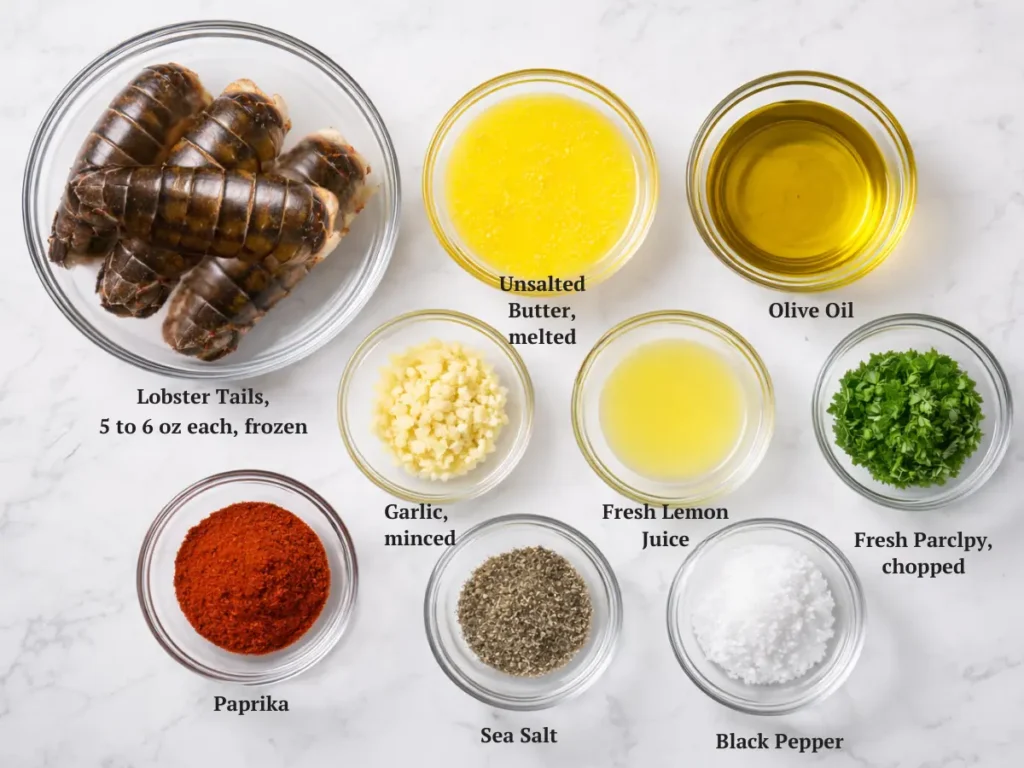
These simple ingredients highlight the natural sweetness of lobster while supporting even cooking and bold flavor. When you understand how to cook frozen lobster tails, quality butter, fresh citrus, and balanced seasoning make all the difference.
Ingredients
- 4 lobster tails, 5 to 6 ounces each, frozen
- 4 tablespoons unsalted butter, melted
- 1 tablespoon olive oil
- 2 cloves garlic, finely minced
- 1 tablespoon fresh lemon juice
- 1 teaspoon paprika
- 1 tablespoon fresh parsley, chopped
- 1 half teaspoon sea salt
- 1 quarter teaspoon black pepper
Before cooking, always thaw frozen lobster tails completely for even texture and accurate lobster tail cooking time. Proper thawing prevents tough edges and undercooked centers.
Substitutions and Variations
- Use ghee instead of butter for a richer, lactose friendly option.
- Swap olive oil for avocado oil for higher heat cooking.
- Replace paprika with smoked paprika for deeper flavor.
- Add a pinch of cayenne if you enjoy heat.
- Use garlic powder if fresh garlic is unavailable.
These ingredients support the best way to cook lobster tail while keeping the recipe simple, flavorful, and approachable.
Step by Step Instructions
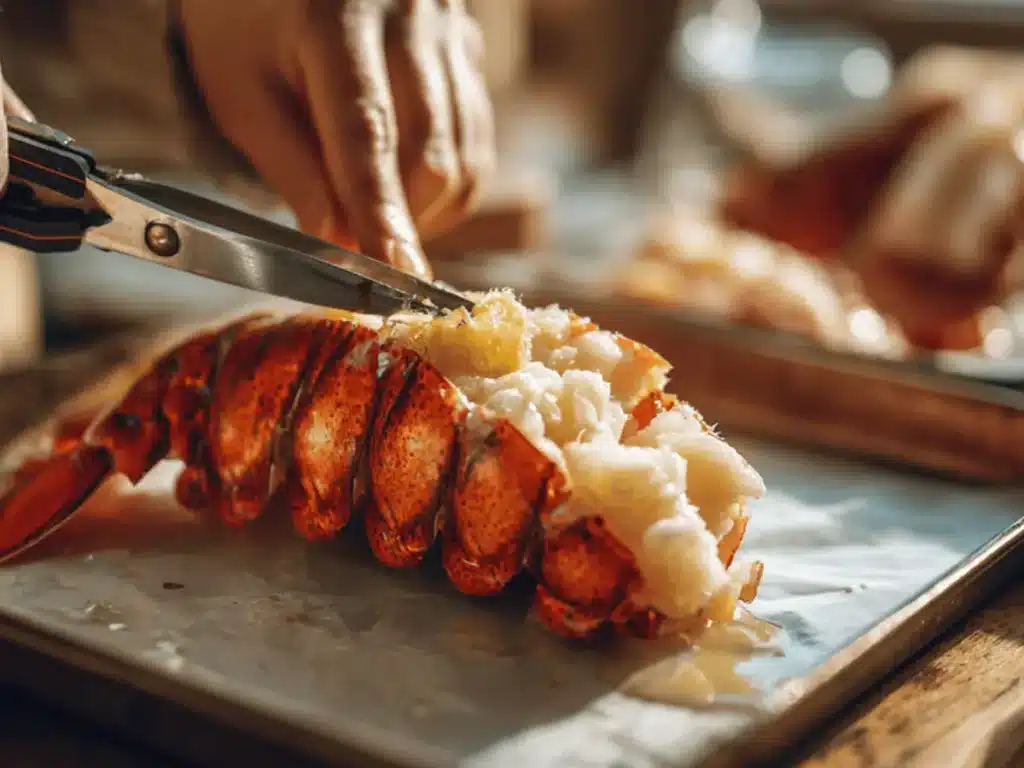
Now I will show you exactly how to cook frozen lobster tails so they turn out tender, juicy, and full of flavor. The goal is to control heat and lobster tail cooking time while keeping the meat moist.
- Thaw Properly
Place the lobster tails in the refrigerator for 8 to 12 hours. If you need a faster method, seal them in a bag and submerge in cold water for 30 to 45 minutes. Always thaw frozen lobster tails completely before cooking to ensure even texture. - Prepare and Butterfly
Preheat your oven broiler to high, about 500 degrees Fahrenheit. Using kitchen shears, cut down the top shell lengthwise. Gently lift the meat above the shell while keeping it attached at the base. This technique works especially well for broiled lobster tails. - Season Generously
Brush the lobster meat with melted butter and olive oil. Then sprinkle garlic, paprika, salt, and pepper evenly. Finish with a light squeeze of lemon juice. - Broil with Precision
Place the tails on a baking sheet about 6 inches from the heat source. Broil for 8 to 10 minutes, depending on size. A 5 ounce tail typically cooks in about 8 minutes. - Check Doneness
The meat should turn opaque white and feel firm. Internal temperature should reach 140 to 145 degrees Fahrenheit. Avoid overcooking, since even 1 or 2 extra minutes can toughen the meat. - Rest and Finish
Let the lobster rest for 3 minutes. Sprinkle fresh parsley and brush with extra butter before serving.
This method keeps the lobster tail cooking time accurate and delivers one of the best ways to cook lobster tail at home.
Variations & Flavor Twists
Once you master how to cook frozen lobster tails, you can easily adapt the flavor profile to match any occasion. While broiled lobster tails remain a classic, bold variations can elevate your dinner instantly.
Cajun Style
Brush the lobster with melted butter, Cajun seasoning, and a squeeze of lemon. This version adds warmth and spice while keeping the meat tender. If you love Southern inspired seafood, you can pair it with flavors from this Seafood Cajun Boil Recipe for a full feast experience.
Mediterranean Lemon Herb
Combine olive oil, fresh oregano, garlic, and extra lemon zest. This bright approach highlights natural sweetness and keeps the lobster tail cooking time precise without overpowering the meat.
Chimichurri Finish
Top freshly cooked lobster with a spoonful of vibrant Red Chimichurri. The herbs and acidity balance richness beautifully and offer a fresh twist on the best way to cook lobster tail.
Cooking Method Comparison
| Method | Average Lobster Tail Cooking Time | Texture Result | Flavor Intensity |
|---|---|---|---|
| Broiling | 8 to 10 minutes | Slightly crisp top, juicy center | Bold |
| Baking | 12 to 15 minutes | Soft and evenly tender | Mild |
| Grilling | 8 to 10 minutes | Light char, smoky notes | Medium |
Each method works well once you thaw frozen lobster tails properly. However, broiling remains the fastest and most reliable approach for home cooks.
Side Dishes & Pairings
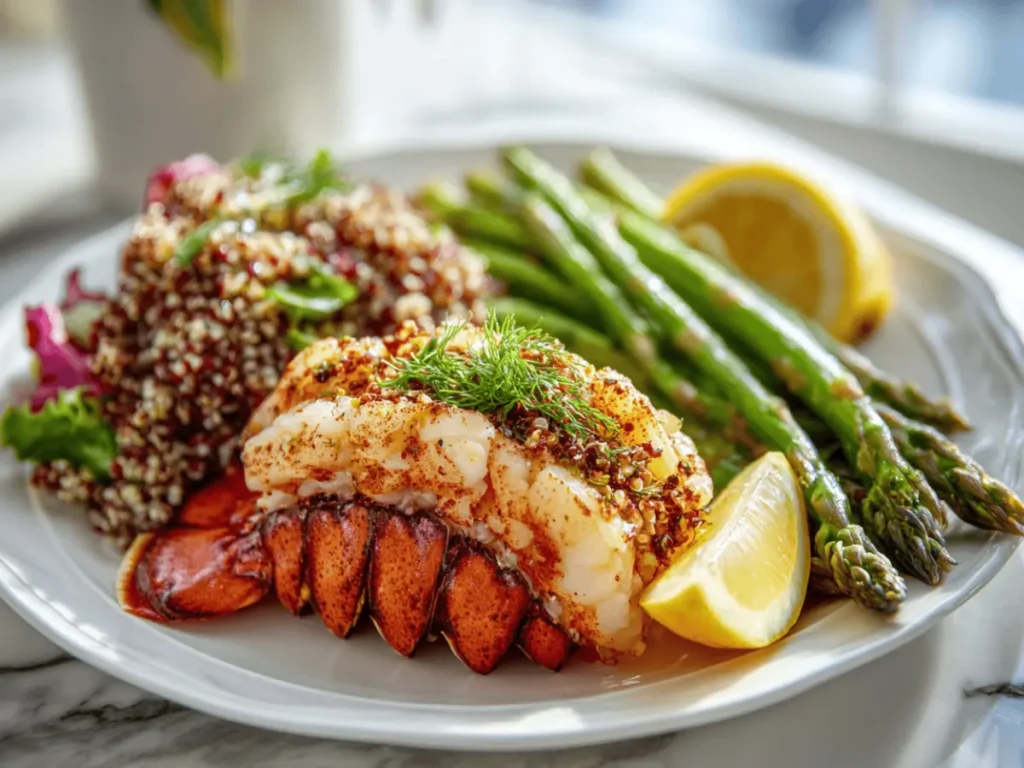
When you learn how to cook frozen lobster tails, the right side dishes turn a simple seafood dinner into a complete experience. Because lobster tastes naturally sweet and delicate, balance matters. You want texture, freshness, and contrast without overpowering the star ingredient.
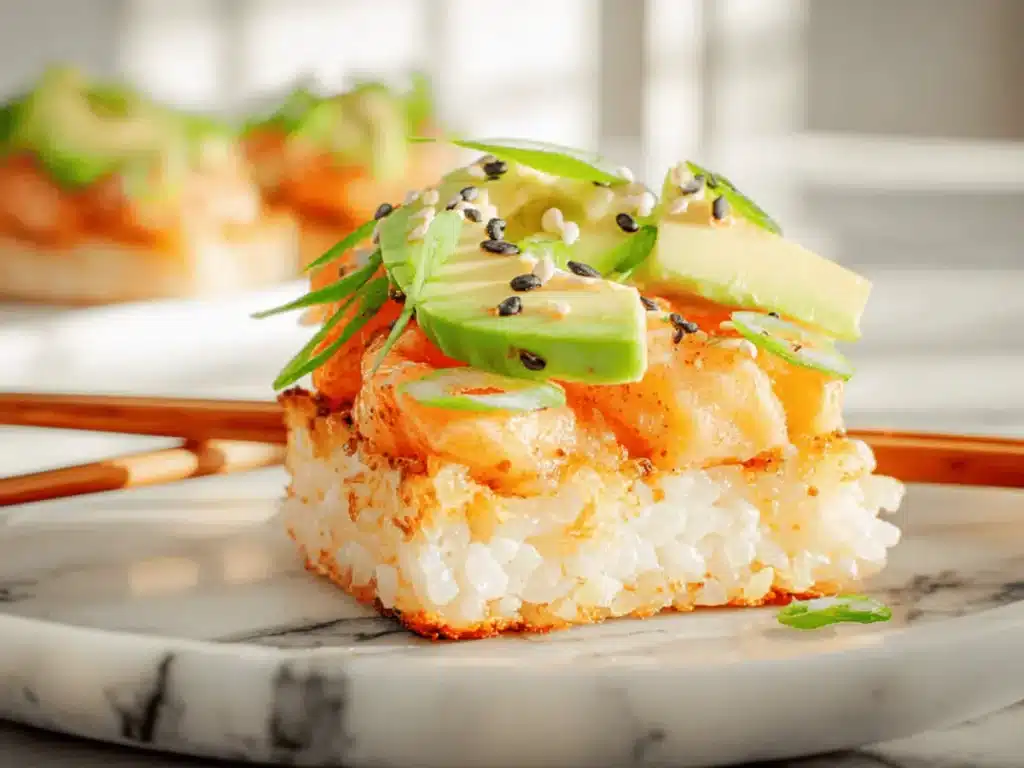
For a bold and modern pairing, try serving lobster alongside this vibrant Spicy Salmon Crispy Rice Recipe. The crisp rice and creamy topping create contrast while keeping the seafood theme cohesive.
If you prefer something lighter, a crisp salad works beautifully. This fresh Salmon Caesar Salad offers crunch and acidity, which complement broiled lobster tails perfectly.
Healthy Pairings
| Side Dish | Why It Works | Flavor Profile |
|---|---|---|
| Steamed asparagus | Light and clean | Mild, earthy |
| Lemon herb quinoa | Adds fiber and texture | Bright, citrus |
| Mixed green salad | Refreshing contrast | Crisp, fresh |
Indulgent Pairings
Buttery mashed potatoes, garlic bread, or creamy risotto elevate special occasions. When planning the best way to cook lobster tail for guests, pairing richness with fresh elements keeps the meal balanced.
No matter your choice, always consider lobster tail cooking time so everything finishes together and stays warm without overcooking.
Nutritional Benefits
When you understand how to cook frozen lobster tails properly, you also unlock a powerful nutritional profile. Lobster offers high quality protein while staying naturally low in saturated fat. A typical five ounce tail provides about 20 grams of protein, which supports muscle repair and satiety.
In addition, lobster contains important minerals such as selenium, zinc, and copper. These nutrients support immune function and cellular health. Because seafood delivers lean protein with minimal carbohydrates, it fits easily into balanced eating plans.
Omega three fatty acids also appear in lobster, though in moderate amounts compared to fatty fish. Still, they contribute to heart health and anti inflammatory support. Therefore, when you thaw frozen lobster tails and cook them with controlled lobster tail cooking time, you preserve both texture and nutrient integrity.
If you enjoy lobster based dishes, you may also appreciate this comforting Lobster Bisque Recipe for another flavorful seafood option.
Nutrition Snapshot Per 5 Ounce Lobster Tail
| Nutrient | Approximate Amount | Key Benefit |
|---|---|---|
| Calories | 110 to 130 | Lean energy source |
| Protein | 20 grams | Muscle support |
| Fat | 1 to 2 grams | Low fat profile |
| Selenium | 60 percent daily value | Antioxidant protection |
| Zinc | 15 percent daily value | Immune support |
When people ask about the best way to cook lobster tail, I often remind them that simple cooking protects nutrients better than heavy sauces. Steaming or broiling keeps flavors bold while maintaining a clean nutritional profile.
Frequently Asked Questions (FAQ)
What is the best way to cook frozen lobster tails?
In my experience, the best way to cook lobster tail depends on control, not complexity. High direct heat works best because it cooks the meat quickly before it dries out. Broiling after proper thawing gives you light caramelization on top and a juicy center. The key is precision with lobster tail cooking time rather than adding heavy sauces or complicated techniques.
Should I thaw frozen lobster before cooking?
Yes, and this step makes a noticeable difference. When you thaw frozen lobster tails slowly in the refrigerator, the fibers relax evenly. That means the meat cooks at the same rate from edge to center. If you skip this step, the outside can turn firm while the inside stays underdone. Proper thawing protects both texture and flavor.
Can you cook lobster straight from frozen?
You technically can, but I do not recommend it if you want consistent results. Cooking from frozen often traps ice crystals inside the meat. As they melt, they release moisture unevenly, which affects texture. If you want restaurant level quality when learning how to cook frozen lobster tails, full thawing is the smarter choice.
What are some common mistakes when cooking lobster tail?
The most common mistake is overcooking. Even a minute too long can change tender meat into something chewy. Another issue is ignoring internal temperature. Lobster finishes perfectly around 140 to 145 degrees Fahrenheit. Finally, many cooks under season because they fear overpowering seafood. Balanced seasoning actually enhances natural sweetness.
Conclusion
Learning how to cook frozen lobster tails gives you confidence to create a restaurant quality seafood dinner at home in less than 20 minutes. When you thaw frozen lobster tails properly and respect the lobster tail cooking time, you protect texture, flavor, and nutrition. Small details truly matter.
Broiled lobster tails remain one of the fastest and most reliable methods. However, baking, grilling, or adding bold sauces can help you personalize the experience. Once you understand the fundamentals, you will always know the best way to cook lobster tail for any occasion.
I love serving lobster for gatherings because it feels luxurious without being complicated. With simple ingredients and clear steps, you can balance indulgence and wellness beautifully. Healthy does not mean bland, and indulgent does not mean excessive. Flavor always wins when technique supports it.
Now it is your turn. Try this method, experiment with variations, and build a seafood dinner that feels joyful, bold, and completely your own.
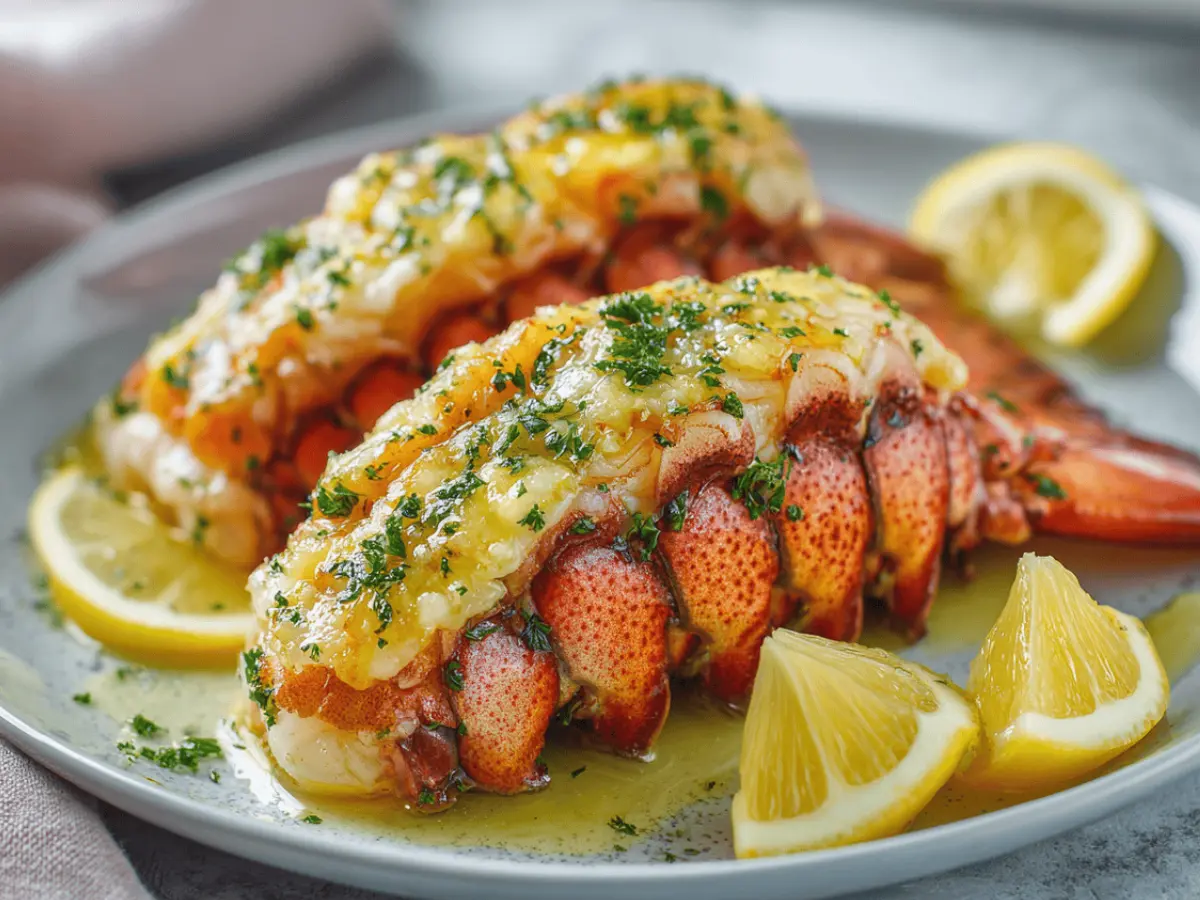
How to Cook Frozen Lobster Tails
Ingredients
Method
- Place the lobster tails in the refrigerator for 8 to 12 hours. If you need a faster method, seal them in a bag and submerge in cold water for 30 to 45 minutes. Always thaw completely before cooking to ensure even texture.
- Preheat your oven broiler to high, about 500 degrees Fahrenheit. Using kitchen shears, cut down the top shell lengthwise. Gently lift the meat above the shell while keeping it attached at the base.
- Brush the lobster meat with melted butter and olive oil. Then sprinkle garlic, paprika, salt, and pepper evenly. Finish with a light squeeze of lemon juice.
- Place the tails on a baking sheet about 6 inches from the heat source. Broil for 8 to 10 minutes, depending on size. A 5 ounce tail typically cooks in about 8 minutes.
- The meat should turn opaque white and feel firm. Internal temperature should reach 140 to 145 degrees Fahrenheit. Avoid overcooking, since even 1 or 2 extra minutes can toughen the meat.
- Let the lobster rest for 3 minutes. Sprinkle fresh parsley and brush with extra butter before serving.