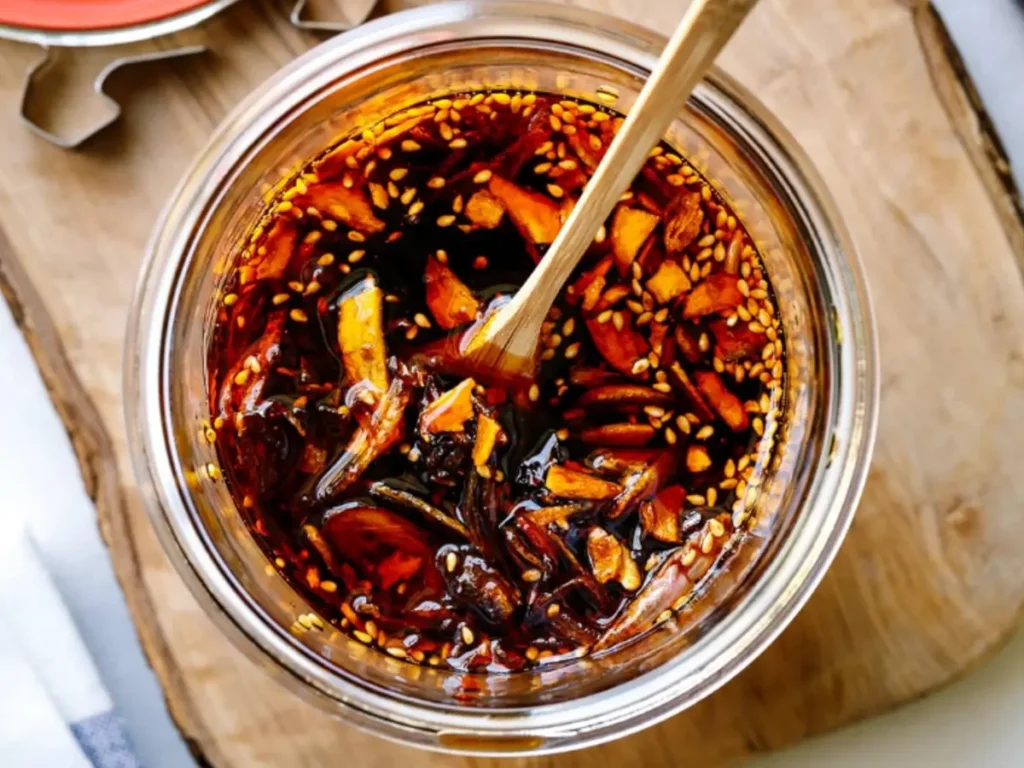
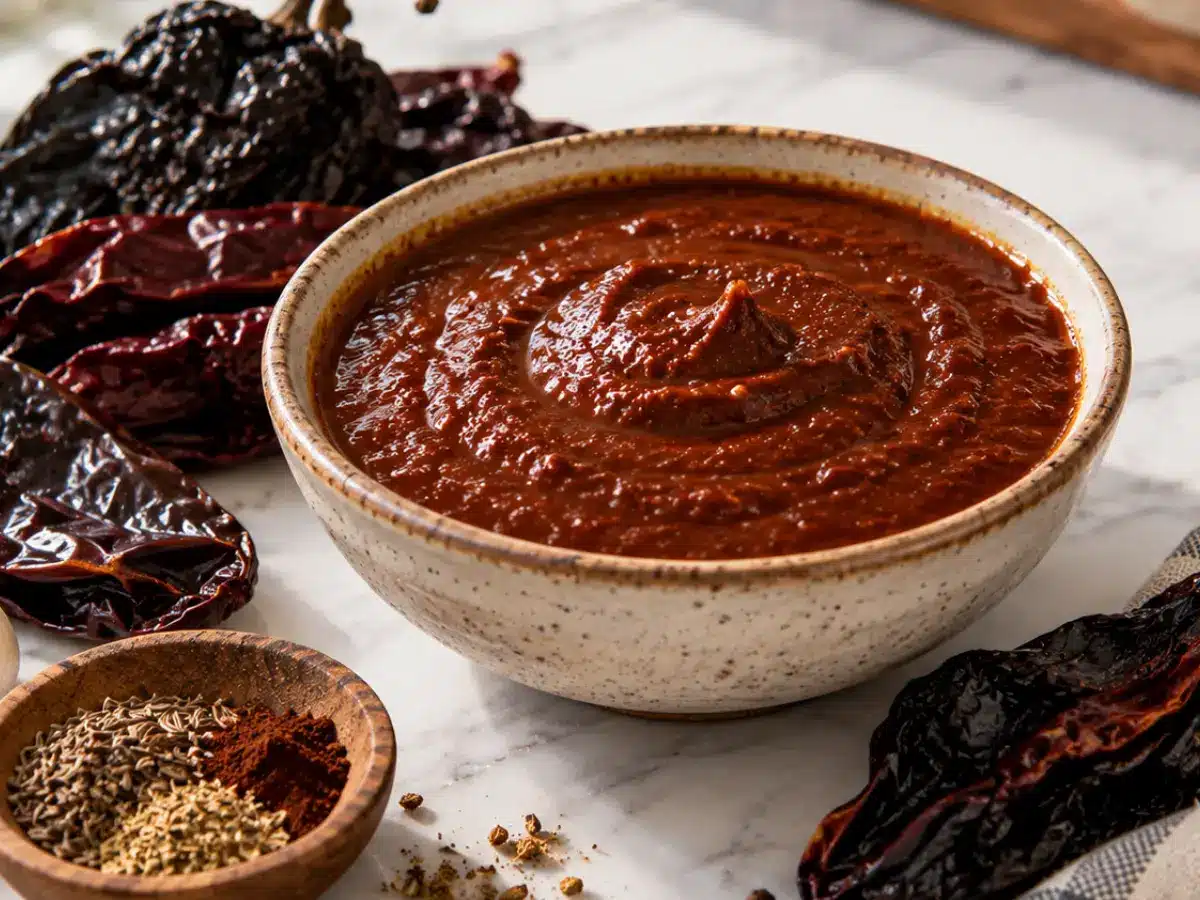
Homemade adobo sauce brings deep chile flavor, gentle heat, and bright acidity together in one simple sauce you can prepare in about 35 minutes. This Mexican adobo sauce tastes rich and savory, while making it yourself gives you complete control over the spice, salt, and texture.
Why You’ll Love This Recipe
- Simple preparation: A blender and saucepan handle most of the work.
- Easy to customize: Adjust the heat, acidity, and thickness to suit your meal.
- Versatile flavor: Use it with chicken, beef, vegetables, tacos, beans, and rice.
I became fascinated with chile sauces after seeing how professional kitchens build layers of flavor from a few thoughtful ingredients. Later, wandering through markets and cooking for friends taught me something equally useful: great sauce does not need unnecessary complexity.
Once you understand a few details about dried chiles and flavor balance, this sauce becomes remarkably easy to master.
What to Know Before Making This Sauce
The best homemade adobo sauce starts with careful chile preparation and balanced seasoning. Dried ancho chiles bring mellow sweetness and earthy depth, while guajillo chiles add bright fruitiness and gentle warmth. Together, they create a fuller flavor without overwhelming heat.
First, toast the chiles briefly over moderate heat. Watch them closely because burnt spots can make the entire sauce bitter. You want the chiles fragrant and flexible, not dark or smoking. Then, rehydrate them until soft enough to blend smoothly.
Next, treat vinegar and salt as balancing ingredients rather than dominant flavors. Add enough acidity to brighten the rich chiles, then taste before adding more salt. If the sauce tastes too sharp, a small amount of sugar can soften that edge.
Finally, control consistency gradually. Add liquid slowly when blending. If your sauce becomes too thin, simmer it gently until it coats a spoon.
What You Need for This Recipe
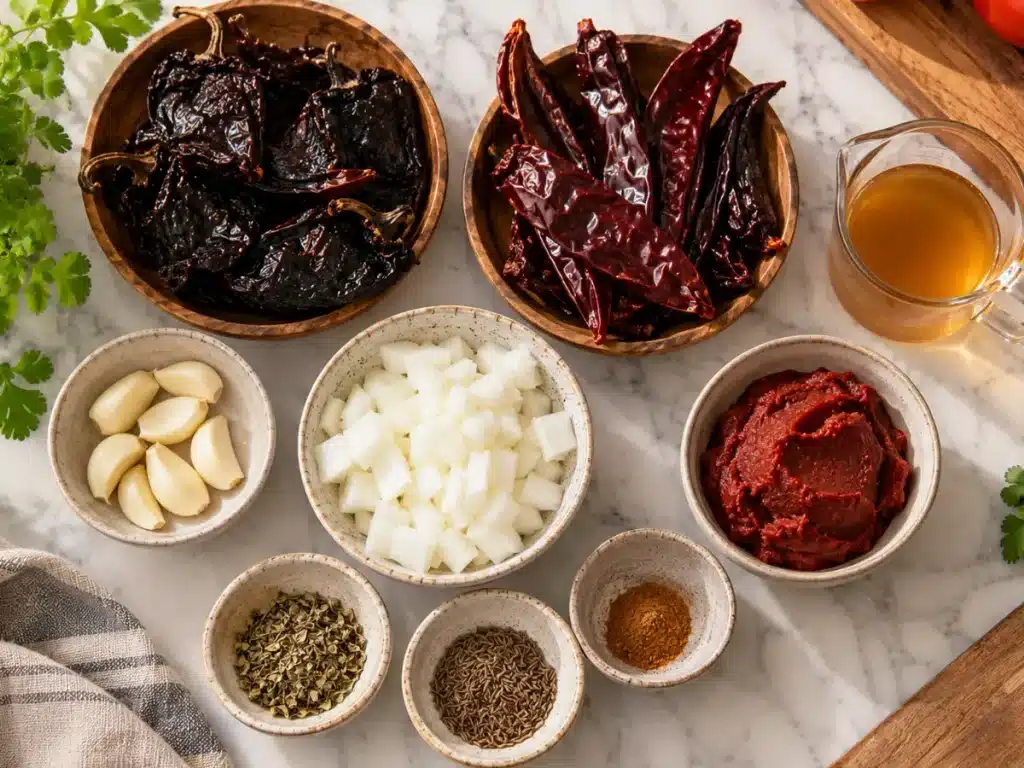
A balanced homemade adobo sauce needs chiles for depth, aromatics for savory character, and vinegar for brightness. These ingredients create a sauce that tastes complex without becoming difficult to prepare.
- 3 dried ancho chiles: stemmed and seeded
- 3 dried guajillo chiles: stemmed and seeded
- 1 tablespoon neutral oil: for cooking the aromatics
- 1 small yellow onion: roughly chopped
- 4 garlic cloves: peeled
- 2 tablespoons tomato paste: adds body and savory sweetness
- 3 tablespoons apple cider vinegar: provides acidity
- 1 teaspoon Mexican oregano: adds an earthy herbal note
- 1 teaspoon ground cumin: adds warm depth
- 1 quarter teaspoon ground cinnamon: rounds out the chile flavor
- 1 teaspoon fine sea salt: adjust after simmering
- 1 teaspoon brown sugar: optional for balancing sharp acidity
- 1 and 1 half cups water: divided, plus more as needed
For substitutions, use regular dried oregano when Mexican oregano is unavailable, although the flavor will taste different. White wine vinegar can replace apple cider vinegar for a cleaner acidity.
For extra smoke, replace one ancho chile with a dried chipotle chile. However, expect noticeably more heat. Always add extra water gradually because chile size affects the final consistency.
How to Make Homemade Adobo Sauce Step by Step
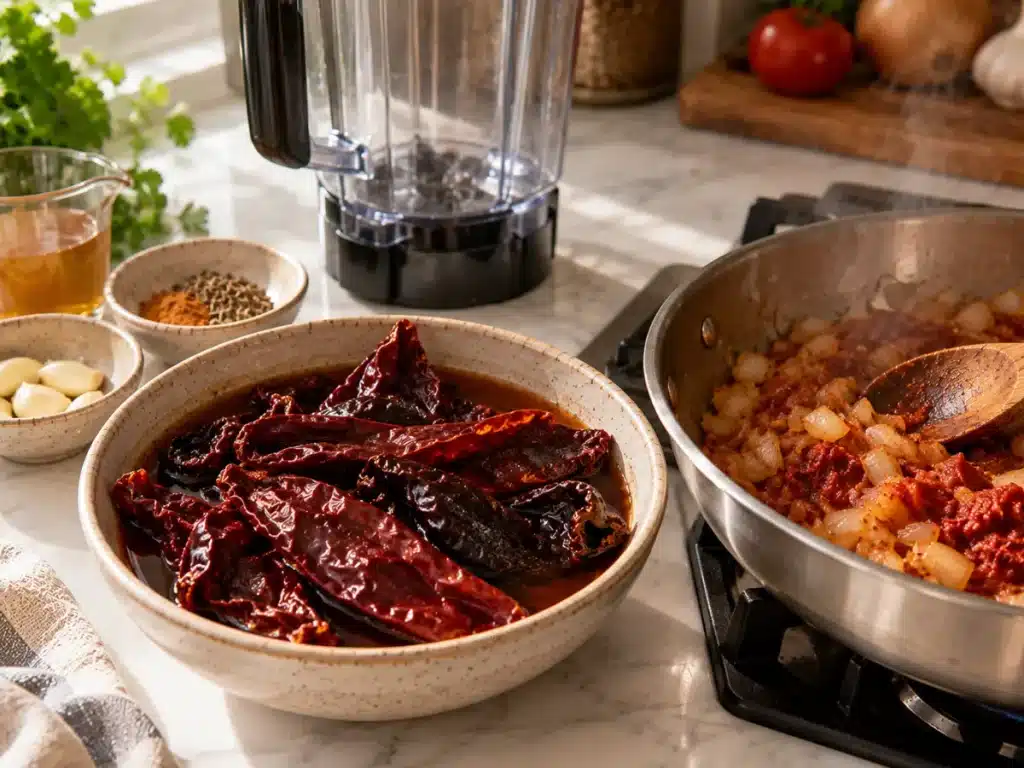
The goal is to soften the chiles, develop the aromatics, and blend everything into a smooth homemade adobo sauce. Control the heat carefully because gentle cooking builds depth without bitterness.
- Heat a dry skillet over medium heat. Toast the prepared chiles for about 15 seconds per side, just until fragrant. Do not let them smoke or blacken.
- Transfer the chiles to a bowl. Cover them with hot water and soak for 20 minutes, or until soft. Drain well.
- Heat 1 tablespoon neutral oil in a saucepan over medium heat. Add the onion and cook for 4 minutes. Add the garlic and cook for 30 seconds.
- Stir in the tomato paste, oregano, cumin, and cinnamon. Cook for 1 minute, stirring constantly so the spices stay fragrant.
- Transfer the mixture to a blender. Add the softened chiles, vinegar, salt, optional brown sugar, and 1 cup water. Blend until completely smooth.
- Pour the sauce into the saucepan. Simmer over low heat for 10 minutes, stirring occasionally. Add the remaining water gradually until the texture suits your needs.
- Taste before serving. Keep it thick for tacos and bowls, or thin it slightly when using it as an adobo marinade.
How to Get the Perfect Adobo Flavor
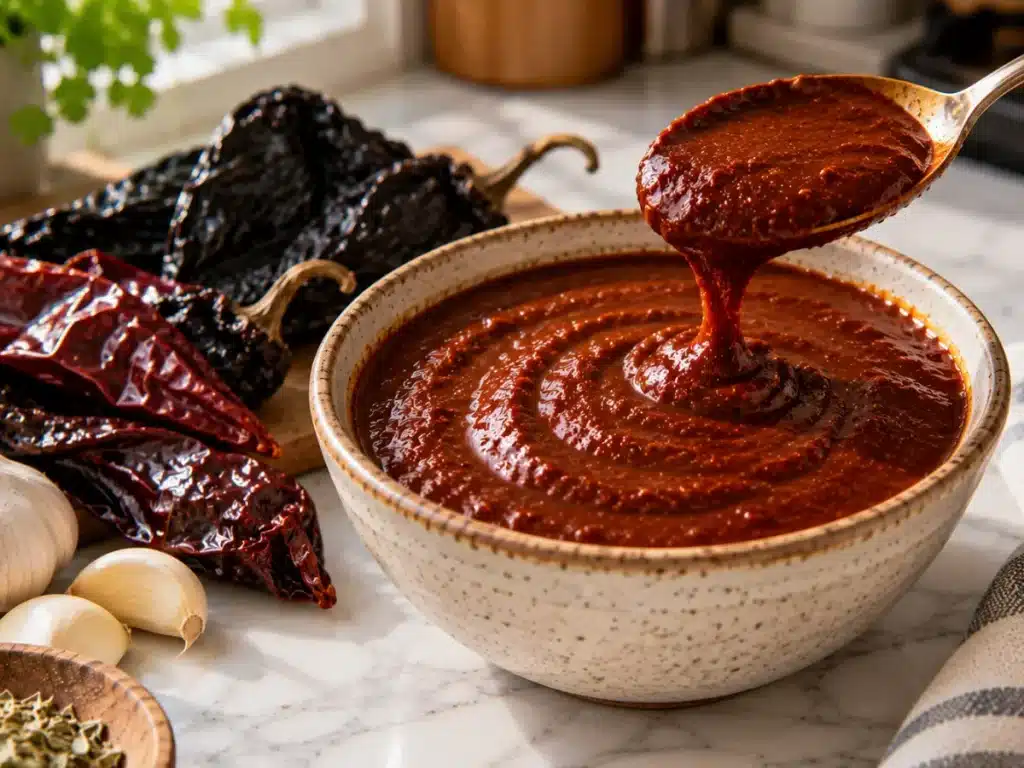
Great homemade adobo sauce tastes layered rather than simply hot. The ancho brings earthy sweetness, while guajillo adds brighter fruit notes. Vinegar then cuts through that richness. Meanwhile, garlic, cumin, oregano, tomato, and cinnamon create savory depth.
A balanced Mexican adobo sauce should taste earthy first, followed by gentle acidity and warm spice. It should coat a spoon without feeling pasty. For another example of balancing bold herbs, acidity, and chile flavor, explore this red chimichurri recipe.
Taste the sauce after simmering because heat changes how you perceive each ingredient. If vinegar dominates, add a little more chile base when available. Otherwise, a small amount of brown sugar can soften excessive sharpness. If the sauce tastes salty, dilute it gradually with water.
| Problem | Likely Cause | Best Adjustment |
|---|---|---|
| Bitter | Scorched chiles | Avoid darkening the chiles |
| Too acidic | Excess vinegar | Balance with chile base or sugar |
| Too thick | Excess reduction | Add water gradually |
| Too thin | Short simmer | Simmer gently for longer |
| Too spicy | Hot chile choice | Dilute with mild sauce ingredients |
Ultimately, balance matters more than aggressive seasoning. Taste, adjust, and stop when every flavor supports the chiles.
Easy Ways to Adjust the Flavor
Once you master the base, you can adjust homemade adobo sauce without losing its character. Small changes to the chile blend and liquid create noticeably different results.
For a smokier sauce, replace one of the dried ancho chiles with a dried chipotle chile. Chipotle adds deeper smoke and more heat, so start cautiously. For a milder version, keep the original ancho and guajillo chiles and remove the seeds thoroughly.
Texture is equally flexible. Simmer the sauce longer when you want a concentrated coating for tacos or roasted vegetables. Add water gradually for a looser sauce. For an especially silky finish, press the blended sauce through a fine mesh strainer.
If you enjoy experimenting with sauces for Mexican inspired meals, this homemade taco sauce offers another practical way to build bold flavor.
| Chile | Main Flavor | Relative Heat | Best Role |
|---|---|---|---|
| Ancho | Earthy, mildly sweet | Mild | Body and depth |
| Guajillo | Fruity, bright | Mild to moderate | Color and complexity |
| Chipotle | Smoky, rich | Moderate | Smoke and heat |
These adjustments make the sauce flexible while preserving its earthy foundation.
How to Use This Sauce
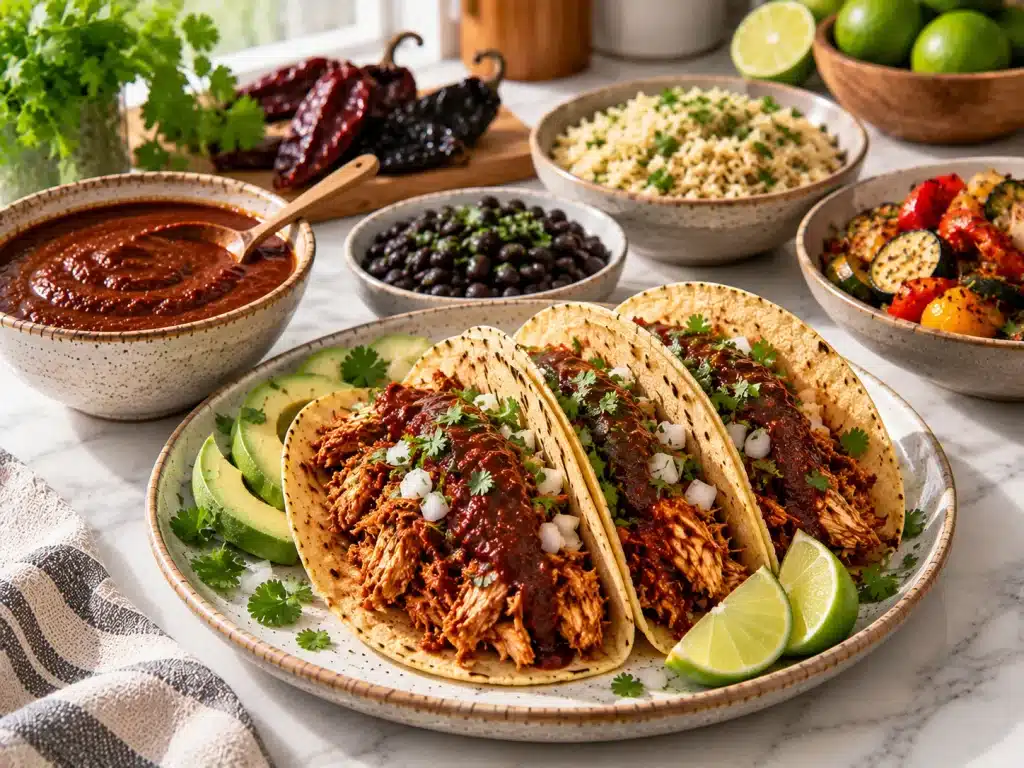
Homemade adobo sauce earns its place in the refrigerator because one batch can flavor several different meals. Its concentrated chile base works especially well with proteins, grains, beans, and vegetables.
For an adobo marinade, coat chicken, pork, or beef with enough sauce to cover the surface evenly. You can also toss it with cauliflower, sweet potatoes, or zucchini before roasting. The sauce brings savory depth without requiring a long ingredient list.
For tacos and burritos, spoon a small amount over cooked meat, beans, or roasted vegetables. You can also stir it into rice, enchilada fillings, soups, and stews. For more ideas that add flavor while supporting balanced meals, explore these macro friendly sauces.
You can even blend a spoonful into Greek yogurt for a creamy spread or dipping sauce. Start with a small amount because the chile flavor concentrates quickly. According to the NIH, compounds found in chili peppers such as capsaicin have been widely studied for their biological effects.
Store cooled sauce in a clean airtight container in the refrigerator. For longer storage, freeze individual portions so you can thaw only what you need. USDA guidance recommends using most cooked leftovers within four days when refrigerated properly. Label each container with the preparation date, and discard the sauce if you notice mold, unusual odors, or other signs of spoilage.
Frequently Asked Questions
Is adobo sauce spicy?
Homemade adobo sauce can taste mild or moderately spicy, depending on the chiles you choose. Ancho chiles usually provide earthy flavor with gentle heat, while guajillo chiles add brighter chile character. Removing seeds also helps control intensity. For more heat, you can introduce chipotle or another hotter dried chile.
Can I use fresh chiles instead of dried chiles?
You can use fresh chiles, but they will create a noticeably different sauce. Dried chiles develop concentrated, earthy flavors that give this recipe its characteristic depth. Fresh peppers contain more moisture and taste brighter. Therefore, they will also change the texture, cooking time, and amount of liquid your sauce needs.
What is the difference between Mexican adobo sauce and Filipino adobo?
Mexican adobo sauce and Filipino adobo belong to distinct culinary traditions. Mexican versions commonly feature dried chiles, spices, aromatics, and vinegar blended into a sauce or marinade. Filipino adobo generally refers to a cooking method that braises ingredients with vinegar, seasonings, and often soy sauce rather than one specific chile sauce.
How long does homemade adobo sauce last?
Storage time depends on preparation, handling, and refrigeration conditions. Cool the sauce promptly, transfer it to a clean airtight container, and keep it refrigerated. For longer storage, freeze it in small portions. Always discard the sauce if you notice mold, unusual odors, unexpected fermentation, or other clear signs of spoilage.
Final Thoughts Before You Try It
Making homemade adobo sauce from scratch gives you something a jar cannot always offer: complete control over the final flavor. You decide how smoky, tangy, spicy, salty, or thick the sauce becomes.
More importantly, the method teaches you how a few simple ingredients can build remarkable depth. Toast the chiles carefully, soften them well, and give the aromatics time to develop. Then taste after simmering and make small adjustments. That final tasting matters because balance turns a good sauce into one you will want to make again.
Once you know the basic method, use the sauce wherever a meal needs bold flavor. Spoon it over tacos, add it to beans, coat roasted vegetables, or use it with chicken, pork, and beef. You can also freeze small portions for convenient future meals.
Most importantly, treat this recipe as a starting point rather than a rigid formula. Make your first batch, taste thoughtfully, and adjust the next one until the flavor feels exactly right for your kitchen.
Homemade Adobo Sauce
Ingredients
Method
- Heat a dry skillet over medium heat. Toast the prepared chiles for about 15 seconds per side, just until fragrant. Do not let them smoke or blacken.
- Transfer the chiles to a bowl. Cover them with hot water and soak for 20 minutes, or until soft. Drain well.
- Heat 1 tablespoon neutral oil in a saucepan over medium heat. Add the onion and cook for 4 minutes. Add the garlic and cook for 30 seconds.
- Stir in the tomato paste, oregano, cumin, and cinnamon. Cook for 1 minute, stirring constantly so the spices stay fragrant.
- Transfer the mixture to a blender. Add the softened chiles, vinegar, salt, optional brown sugar, and 1 cup water. Blend until completely smooth.
- Pour the sauce into the saucepan. Simmer over low heat for 10 minutes, stirring occasionally. Add the remaining water gradually until the texture suits your needs.
- Taste before serving. Keep it thick for tacos and bowls, or thin it slightly when using it as an adobo marinade.