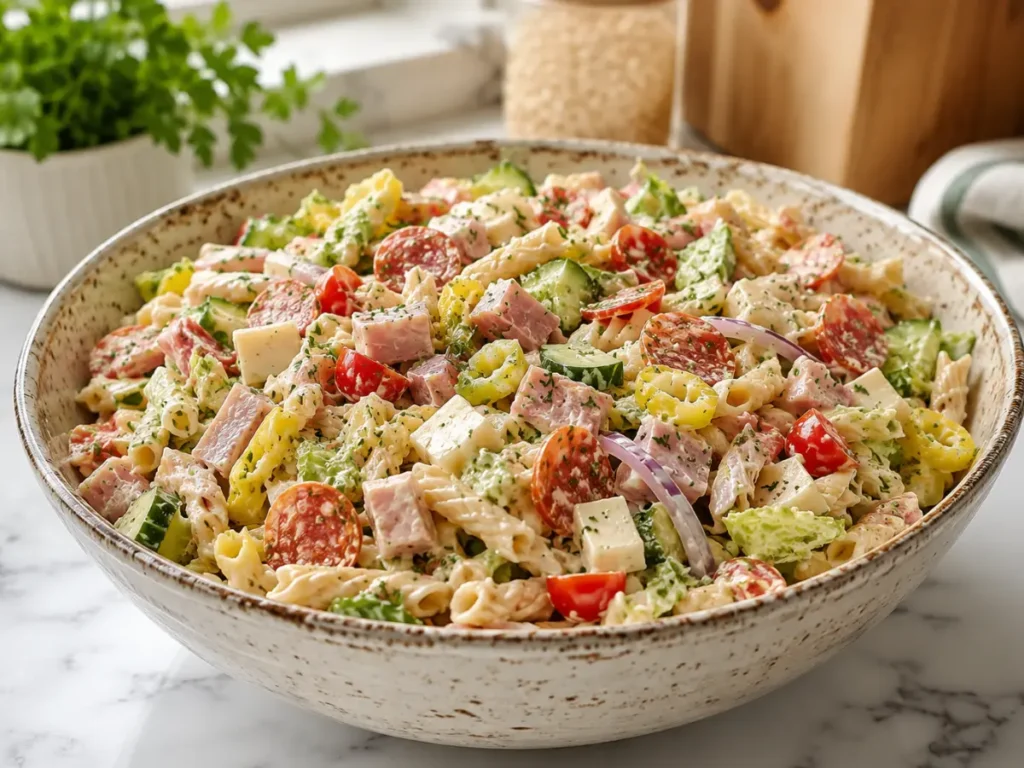
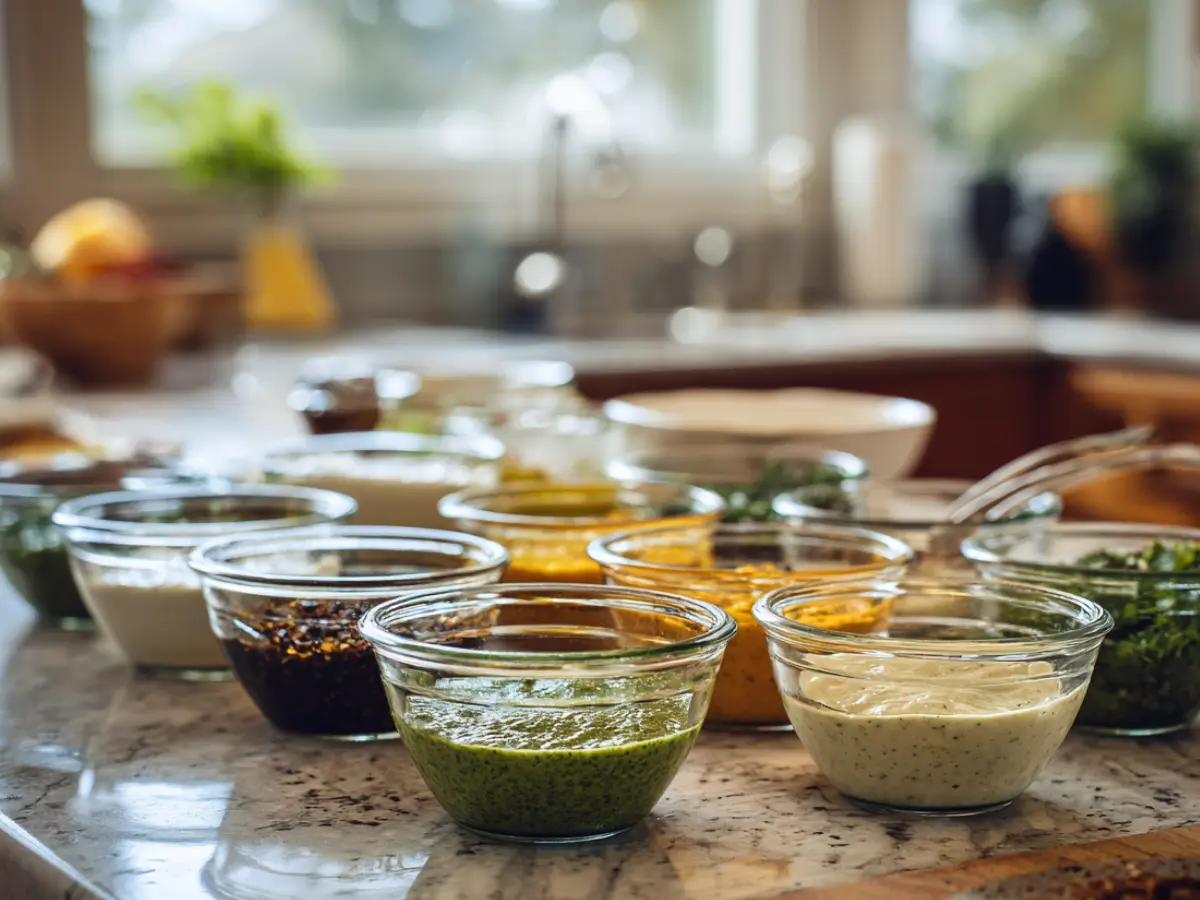
Macro friendly sauces make healthy meals more satisfying because they add bold flavor without overwhelming your calorie goals. The best versions balance protein, healthy fats, and smart portions, while still keeping calories manageable for fat loss, muscle building, or meal prep routines. Many high protein sauces also improve fullness, support better adherence to nutrition plans, and help simple meals taste exciting again.
I started experimenting with low calorie sauces during long weeks of cooking for friends after late market trips and busy kitchen shifts. Everyone wanted meals that tasted rich and comforting, yet still supported fitness goals. Over time, I learned that Greek yogurt, herbs, garlic, and balanced seasoning could create creamy sauces with impressive macros and real flavor.
This guide breaks down the best macro friendly sauces, smart ingredient swaps, meal prep strategies, and practical ways to build healthy sauce recipes at home with confidence.
Ingredients and Substitutions
Great macro friendly sauces start with balanced ingredients that create creaminess, acidity, and bold flavor without excess calories. These healthy sauce recipes also rely on smart protein rich bases that work well for bowls, wraps, salads, and grilled proteins.
These core ingredients also create the foundation for multiple macro friendly sauces, including ranch, buffalo, tzatziki, chimichurri, and creamy meal prep dressings.
Core Ingredients
- 1 cup Greek yogurt : adds creaminess and protein
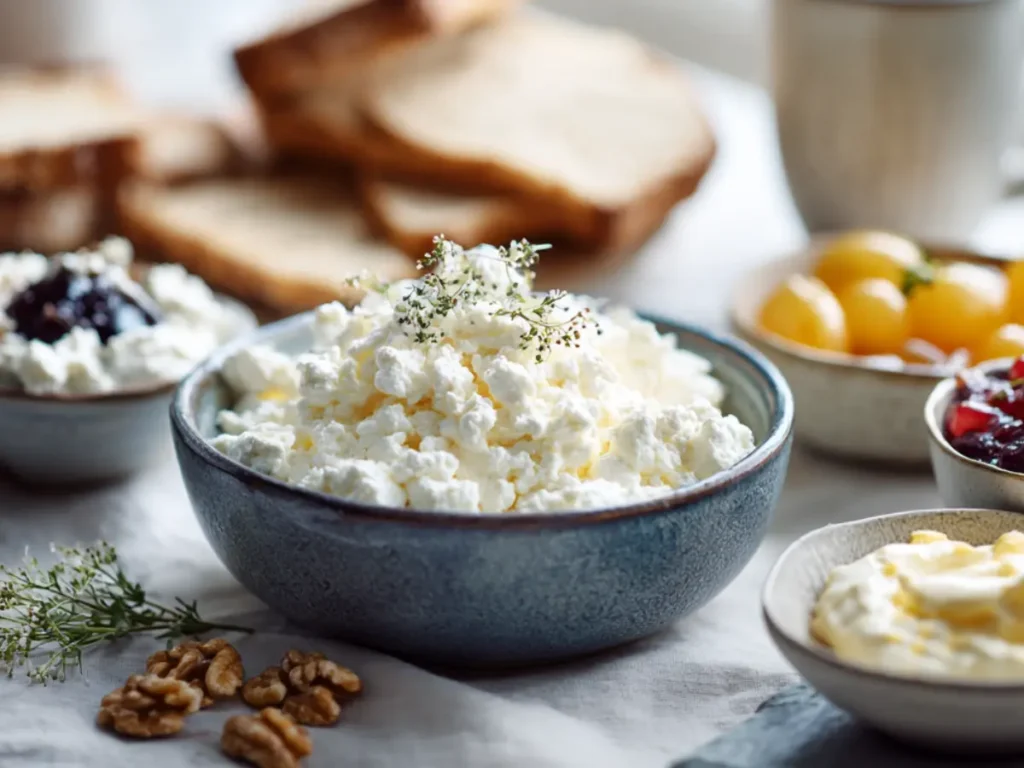
- 1/2 cup cottage cheese : creates a thick texture with extra protein
- 1 tbsp olive oil : supports richness and smooth blending
- 2 tbsp lemon juice : brightens flavor and balances richness
- 1 tsp Dijon mustard : improves acidity and depth
- 2 garlic cloves, minced : adds savory flavor
- 1 tsp smoked paprika : creates warmth and color
- 1 tbsp chopped parsley or dill : adds freshness
- 1 tsp hot sauce or sriracha : optional heat
- 1 tsp honey or monk fruit sweetener : balances acidity
- Salt and black pepper to taste
For extra creamy texture, blend the ingredients in a food processor or immersion blender until smooth. Recipes like this Cottage Cheese Mustard Dip also show how protein rich dairy bases improve flavor and texture naturally.
Easy Substitutions
- Use silken tofu instead of Greek yogurt for dairy free sauces
- Replace olive oil with avocado for thicker texture
- Swap honey for maple syrup or stevia
- Use blended white beans for additional fiber and volume
Step by Step Instructions
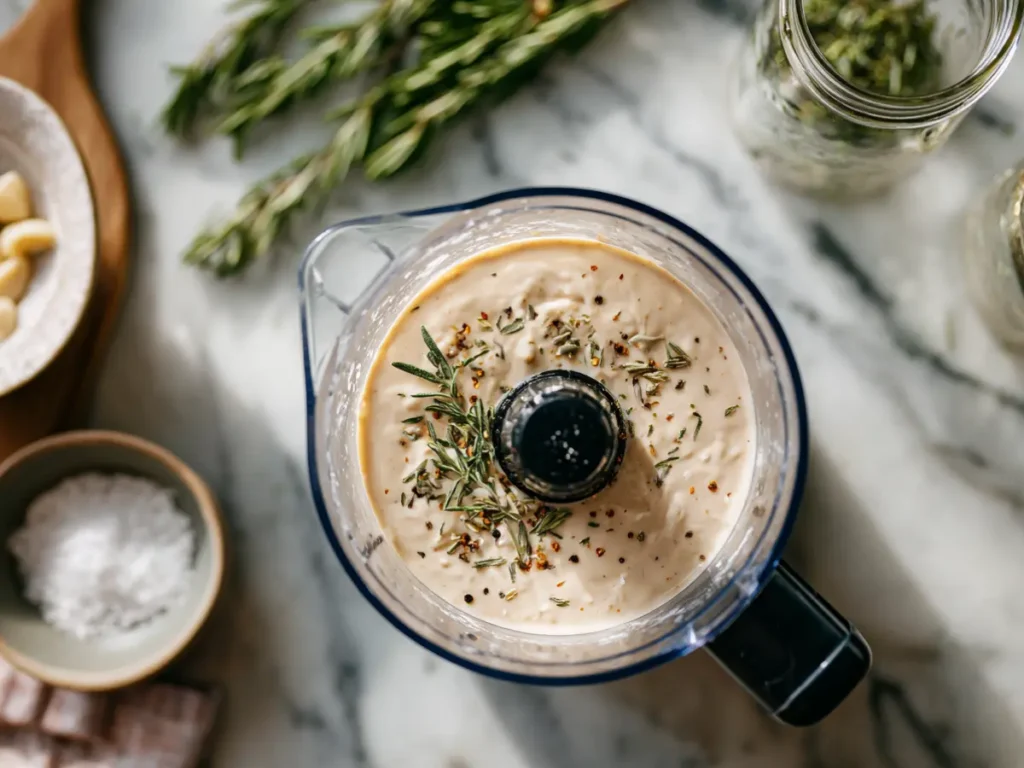
These simple steps help you create creamy and flavorful meal prep sauces with balanced macros and flexible flavor options. Focus on texture, seasoning balance, and portion control for the best results.
Use this base method to create different macro friendly sauces by changing herbs, spices, acids, and add ins for each flavor profile.
- Add Greek yogurt, cottage cheese, lemon juice, and Dijon mustard to a blender or food processor. Blend for 30 seconds until the mixture looks smooth and creamy.
- Add garlic, smoked paprika, herbs, and hot sauce. Blend again for 15 to 20 seconds. Taste the sauce and adjust salt, pepper, or acidity if needed.
- For thinner sauces, slowly add 1 to 2 tablespoons of water while blending. This method works especially well for salad dressings and drizzle sauces.
- If you want richer texture, add avocado or a small amount of olive oil. However, measure carefully to keep calories balanced.
- Chill the sauce in a mason jar or airtight meal prep container for at least 20 minutes before serving. Cold storage improves flavor and texture.
- Store dairy based sauces in the refrigerator for up to 5 days. Always use a clean spoon to maintain freshness and food safety.
Short blending times help prevent watery texture and keep the sauce thick without cream or mayonnaise.
Best Macro Friendly Sauces by Cuisine
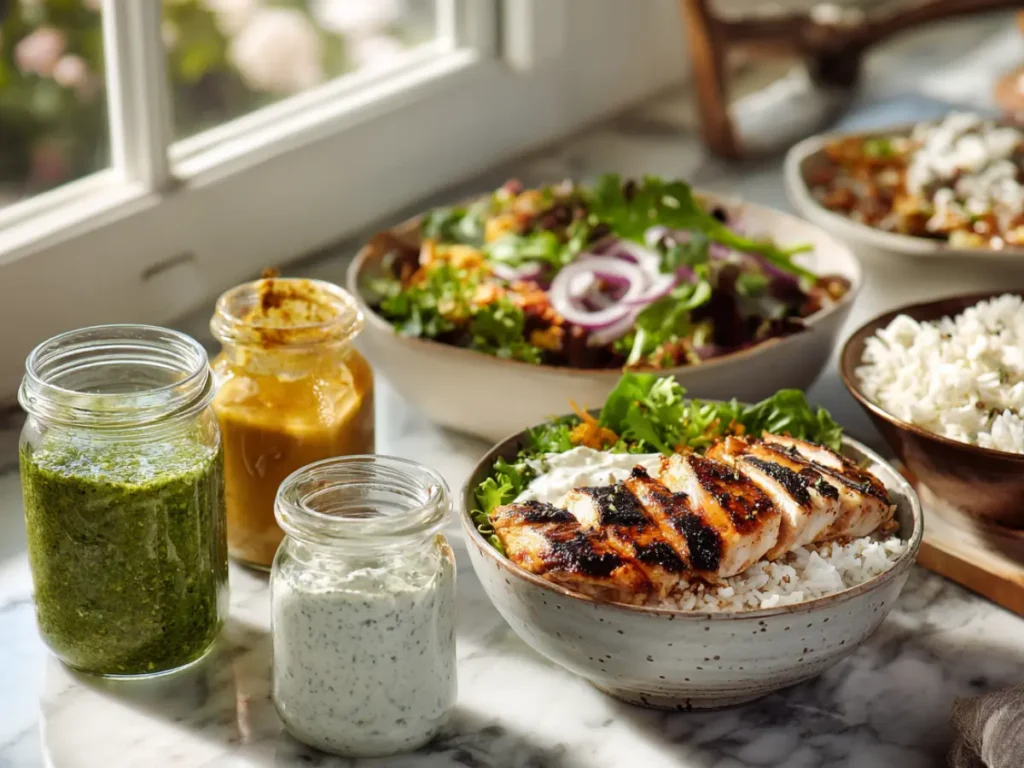
Different cuisines offer creative ways to build macro friendly sauces with balanced flavor and nutrition. The key is using bold herbs, spices, and protein rich ingredients instead of relying on heavy cream or excess sugar.
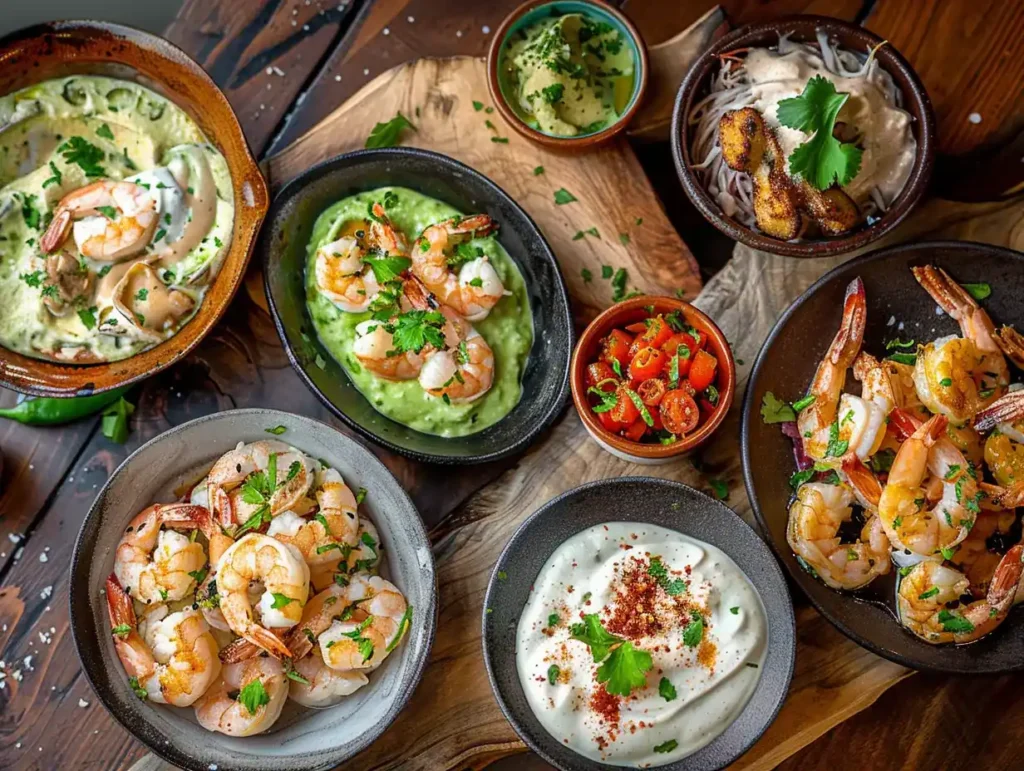
Mexican inspired sauces often use salsa, lime juice, cilantro, and Greek yogurt for creamy texture with fewer calories. These sauces pair well with grilled chicken, shrimp bowls, and roasted vegetables.
Mediterranean options focus on herbs, garlic, olive oil, and yogurt based ingredients. Tzatziki and chimichurri remain excellent choices because they provide bright flavor with moderate calories. Recipes like this Red Chimichurri also add smoky depth without heavy ingredients.
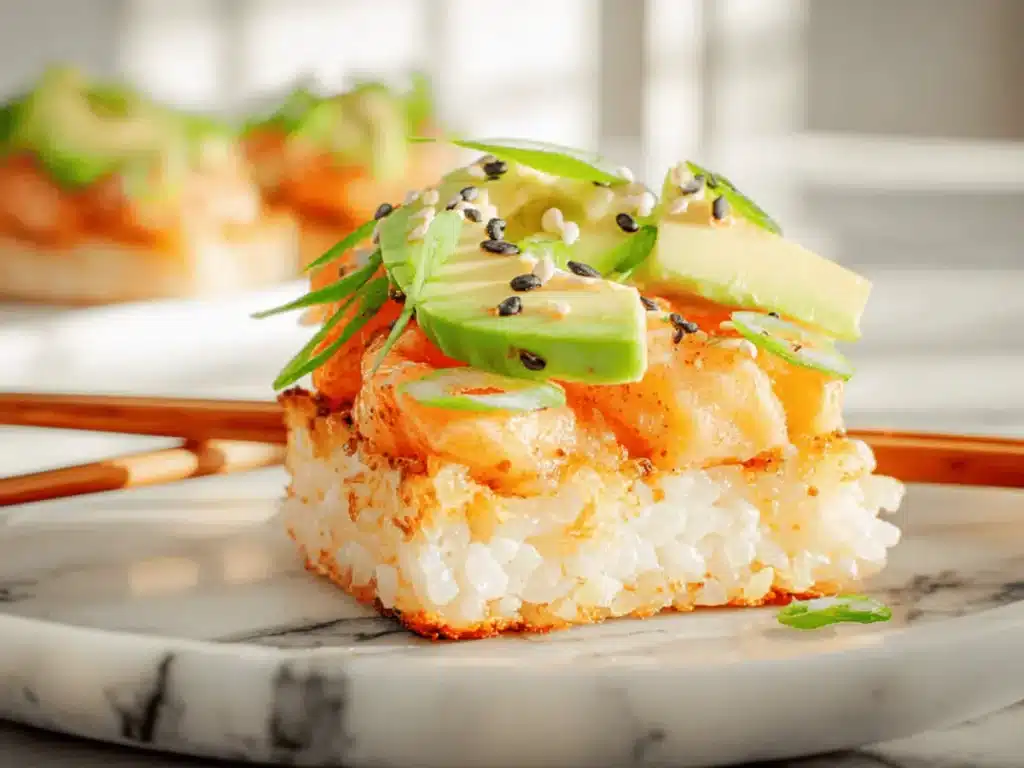
Asian inspired sauces balance rice vinegar, soy sauce, sesame oil, ginger, and sriracha. For healthier sauce recipes, combine these flavors with blended tofu or Greek yogurt to increase protein while controlling fat.
American and BBQ sauces can still fit macro goals when you reduce added sugar and portion sizes. Mustard based sauces, buffalo blends, and light ranch variations work especially well for high protein sauces used in wraps and meal prep bowls.
Macro Friendly Sauce Comparison
| Sauce Type | Calories Per 2 Tbsp | Protein | Best Pairing |
|---|---|---|---|
| Greek Yogurt Ranch | 45 | 5g | Chicken wraps |
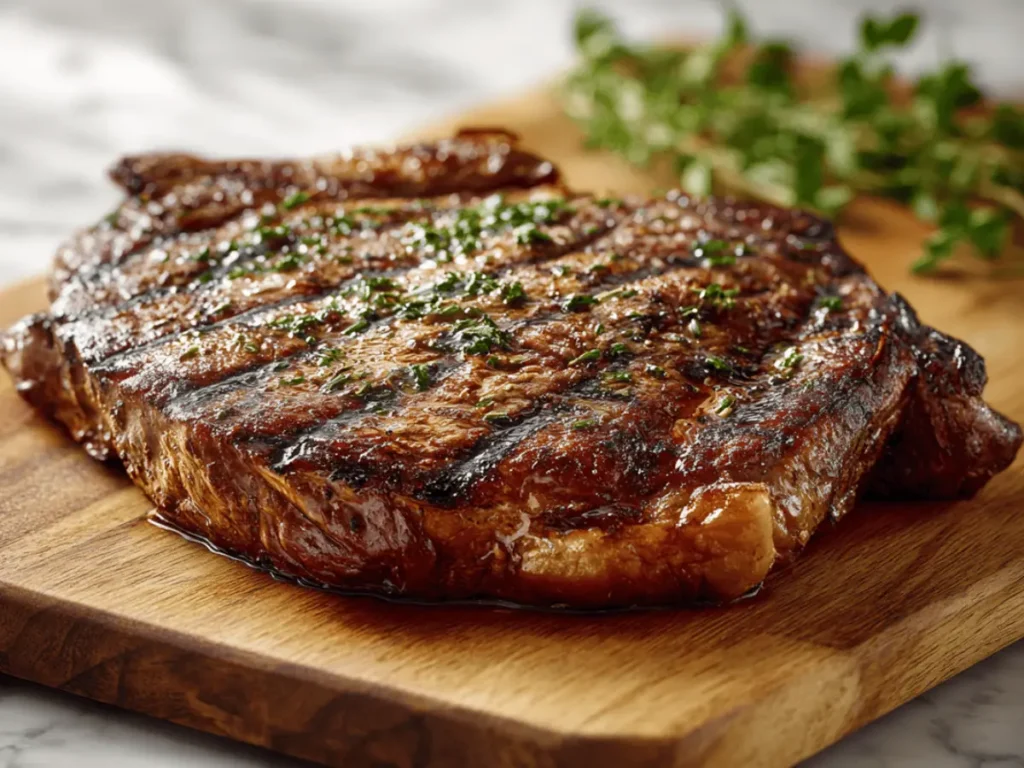
| Chimichurri | 60 | 1g | Steak or shrimp |
| Buffalo Yogurt Sauce | 35 | 4g | Roasted vegetables |
| Peanut Lime Sauce | 80 | 3g | Rice bowls |
Homemade vs Store Bought Macro Friendly Sauces
Homemade sauces give you complete control over calories, sodium, sugar, and protein content. However, some store bought options still work well when you need quick meal prep sauces during busy weeks.
Many low calorie sauces on grocery shelves contain hidden sugars, excessive sodium, or artificial fillers. Therefore, reading labels carefully matters just as much as portion control. Look for sauces with short ingredient lists, lower added sugar, and balanced fat content.
Brands like G Hughes Sugar Free Sauces, Bolthouse Farms, Primal Kitchen, and Walden Farms offer better macro friendly options compared to traditional creamy dressings. Even flavorful recipes like Hot Honey Ranch can fit balanced nutrition goals when you manage serving sizes carefully.
Homemade sauces also store well for meal prep. Most yogurt based sauces stay fresh for 3 to 5 days in airtight containers, while oil based herb sauces often last about 1 week in the refrigerator.
Homemade vs Store Bought Comparison
| Sauce Type | Average Calories | Sodium Level | Best Advantage |
|---|---|---|---|
| Homemade Greek Yogurt Sauce | 40 to 60 | Low | Higher protein |
| Bottled Ranch Dressing | 120 to 140 | High | Convenience |
| Sugar Free BBQ Sauce | 15 to 25 | Moderate | Lower sugar |
| Homemade Salsa Verde | 20 to 30 | Low | Fresh ingredients |
Nutritional Benefits and Smart Pairings
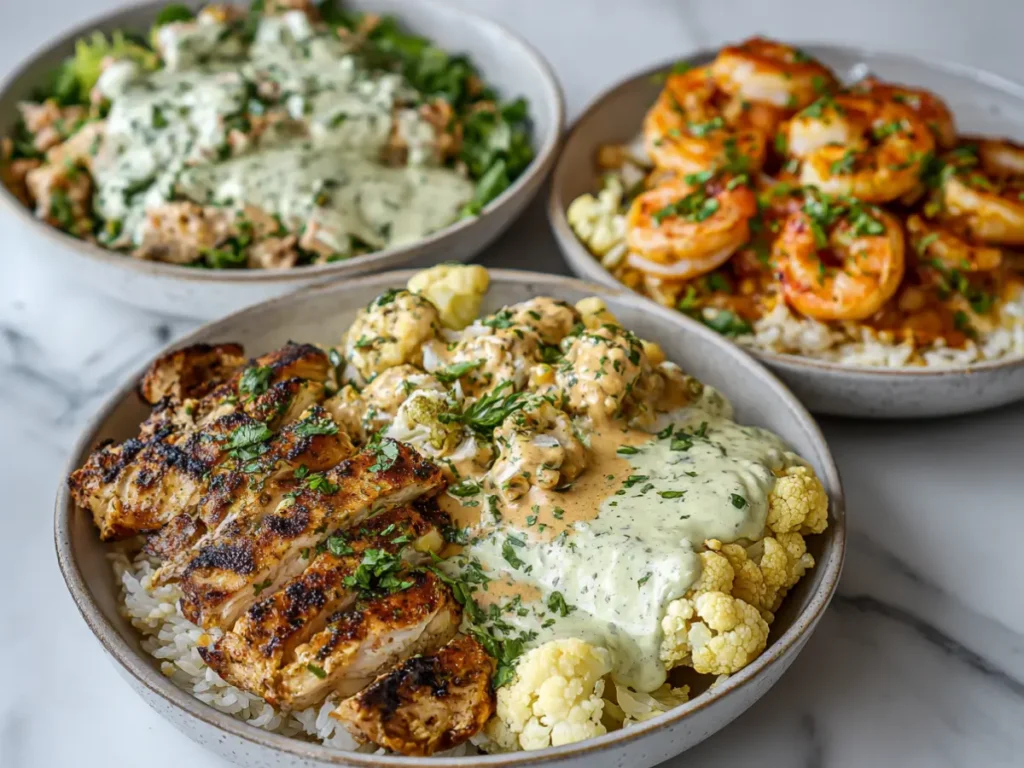
Macro friendly sauces support balanced eating because they improve flavor satisfaction without dramatically increasing calories. Many high protein sauces also help increase fullness, especially when paired with lean proteins and fiber rich vegetables. Greek yogurt based sauces provide calcium and protein, while herb heavy blends deliver antioxidants and fresh flavor with very few calories.
Low calorie sauces work especially well for people following fat loss or high volume eating strategies. Instead of relying on butter heavy or sugar packed dressings, you can use yogurt, blended cottage cheese, salsa, or mustard based mixtures to create satisfying texture with fewer calories.
Meal prep sauces also improve consistency because flavorful meals feel less repetitive during busy weeks. Pair creamy yogurt sauces with grilled chicken, buffalo sauce with roasted cauliflower, or peanut lime sauce with shrimp bowls and rice.
Portion awareness still matters. Most macro friendly sauces work best in 1 to 2 tablespoon servings. This balance supports flavor while helping you manage sodium, fat, and added sugar intake more effectively.
Smart pairings include roasted vegetables, lettuce wraps, grain bowls, salmon, turkey meatballs, eggs, and air fried potatoes. These combinations increase protein density and create satisfying meals with balanced macros.
Frequently Asked Questions (FAQ)
What sauce has the best macros?
Greek yogurt based sauces usually offer the best macros because they provide high protein with relatively low calories and moderate fat. Tzatziki, buffalo yogurt sauce, and cottage cheese blends work especially well for meal prep. These sauces also improve fullness while keeping portions satisfying and balanced.
What is the healthiest sauce for weight loss?
The healthiest sauce for weight loss usually combines low calories with strong flavor and balanced nutrition. Salsa, mustard, yogurt ranch, chimichurri, and vinegar based sauces all support calorie control while making healthy meals more enjoyable. Portion awareness still matters, even with lighter sauces.
What sauces have 0 calories?
Some hot sauces, vinegar based sauces, and artificial sweetener based dressings advertise zero calories per serving. However, many contain sodium, preservatives, or very small serving sizes that round calories down on labels. Always check ingredient lists and serving amounts carefully before using larger portions.
What is the most macro friendly food?
Lean protein foods often provide the most macro friendly nutrition profile. Chicken breast, shrimp, Greek yogurt, egg whites, cottage cheese, turkey, and tofu deliver high protein with manageable calories. Pairing these foods with macro friendly sauces creates balanced meals that support muscle growth and fat loss goals.
Conclusion
Macro friendly sauces prove that healthy eating never needs to feel bland or restrictive. With the right balance of protein rich ingredients, herbs, acidity, and smart fats, you can create bold flavor while still supporting weight loss, muscle building, or balanced nutrition goals. Even simple meals become more satisfying when you add flavorful sauces that fit your macros.
I often keep several healthy sauce recipes ready in the refrigerator because they make busy evenings easier and far more enjoyable. A creamy yogurt ranch, smoky chimichurri, or spicy buffalo blend can completely change grilled chicken, roasted vegetables, rice bowls, or wraps without requiring extra cooking time.
High protein sauces also help improve consistency with meal prep because flavorful food feels easier to maintain long term. Small adjustments like reducing sugar, using Greek yogurt, or blending cottage cheese can dramatically improve nutrition without sacrificing texture.
Experiment with herbs, spices, acids, and protein rich bases until you find combinations that fit your lifestyle and taste preferences. Once you build a few reliable sauces, healthy cooking starts to feel simpler, more creative, and far more satisfying.
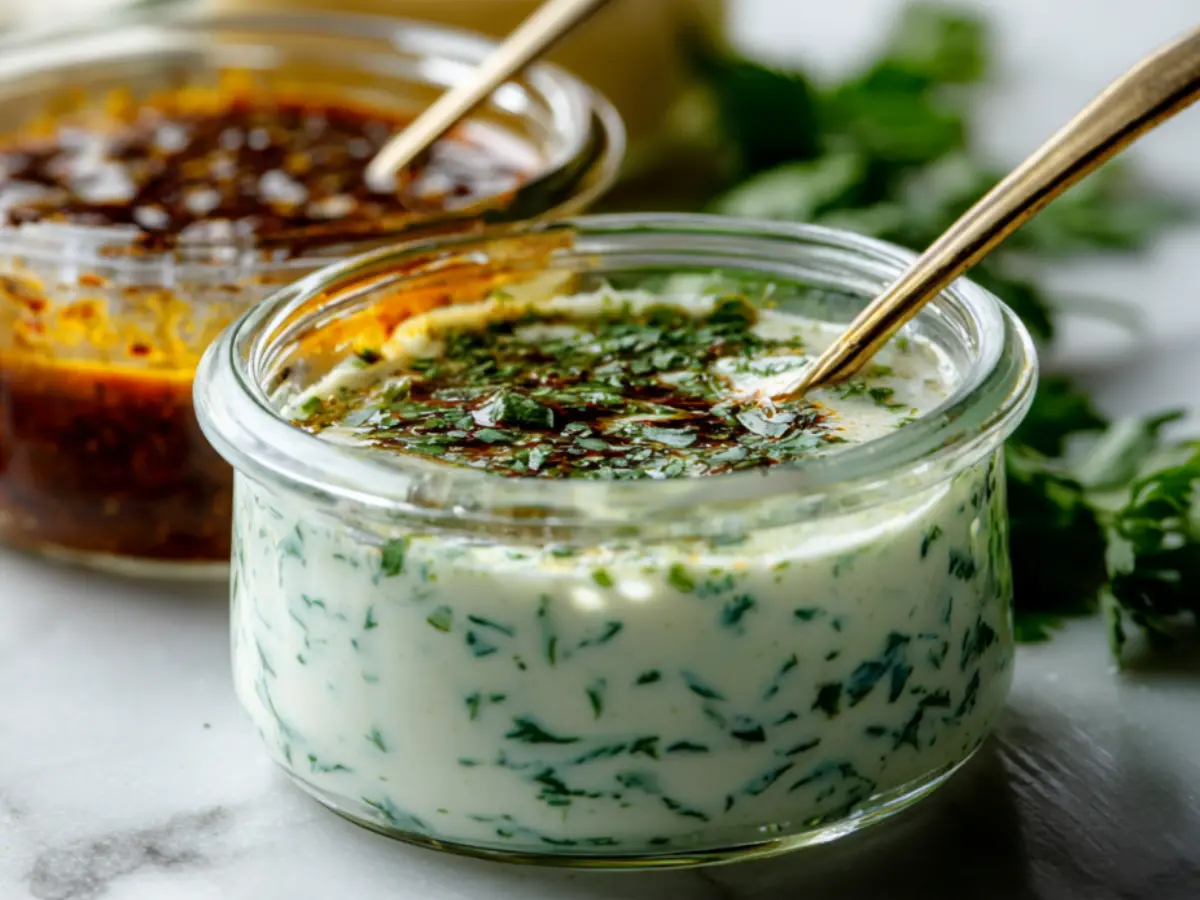
Macro Friendly Sauces
Ingredients
Method
- Add Greek yogurt, cottage cheese, lemon juice, and Dijon mustard to a blender or food processor. Blend for 30 seconds until the mixture looks smooth and creamy.
- Add garlic, smoked paprika, herbs, and hot sauce. Blend again for 15 to 20 seconds. Taste the sauce and adjust salt, pepper, or acidity if needed.
- For thinner sauces, slowly add 1 to 2 tablespoons of water while blending. This method works especially well for salad dressings and drizzle sauces.
- If you want richer texture, add avocado or a small amount of olive oil. However, measure carefully to keep calories balanced.
- Chill the sauce in a mason jar or airtight meal prep container for at least 20 minutes before serving. Cold storage improves flavor and texture.
- Store dairy based sauces in the refrigerator for up to 5 days. Always use a clean spoon to maintain freshness and food safety.