
Ditalini pasta recipe stories always take me back to my big Southern family kitchen where pots simmered all afternoon and the smallest pasta shapes carried the boldest flavors. I learned early that cooking connects people, and this humble pasta became a favorite because it fits right into soups, salads, or simple bowls made from pantry friendly ingredients.
As I traveled and cooked professionally, I returned to ditalini again and again because it offered comfort, speed, and versatility without any fuss. Its tiny tube shape soaks up broth and sauce beautifully, and it turns the simplest vegetables into something warm and inviting. I love how approachable it feels, and I always reach for it when I want Italian comfort food that still supports a balanced lifestyle.
Now let me show you how to make it shine in your own kitchen.
Ingredients and Substitutions
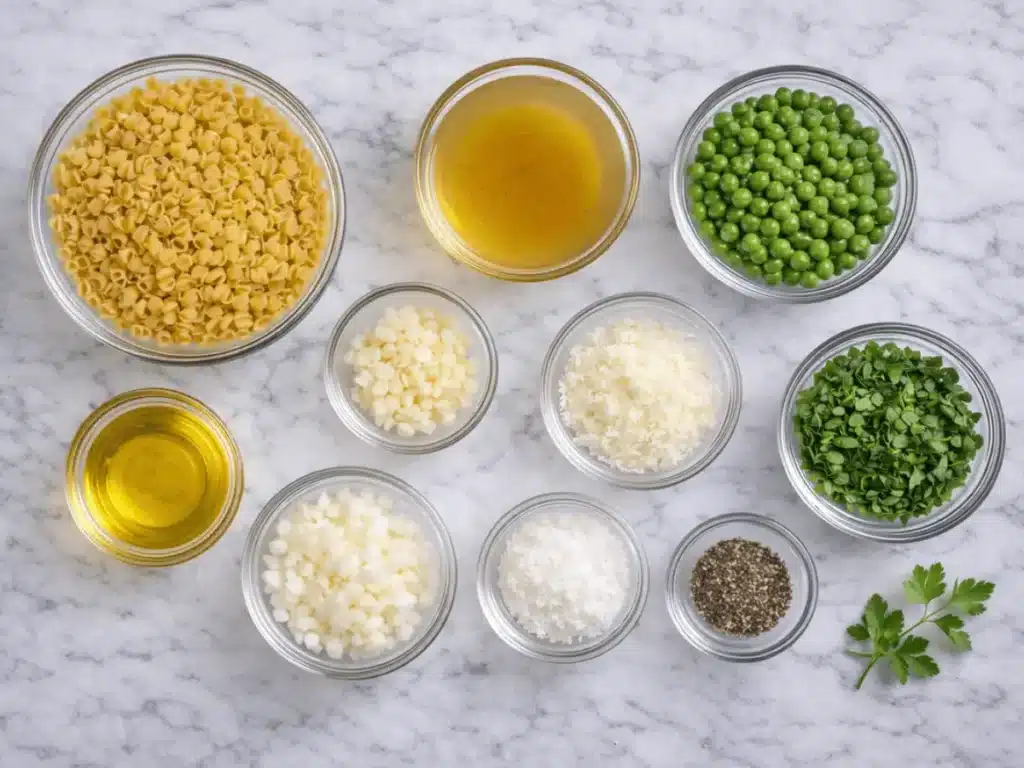
Ingredients in this ditalini pasta recipe work together to create a simple base that welcomes many flavor directions. Each ingredient adds structure or depth, and together they form a balanced bowl that feels comforting yet light. I always start with a clear and organized list so cooking remains enjoyable and calm, especially on busy nights.
Ingredients
- 2 cups ditalini pasta
- 1 tablespoon olive oil
- 1 small onion, finely chopped
- 2 cloves garlic, minced
- 2 cups vegetable broth
- 1 cup peas, fresh or frozen
- 1 half cup grated Parmesan
- Salt to taste
- Black pepper to taste
- Fresh parsley for serving
Substitutions
- Use gluten free pasta if needed.
- Swap vegetable broth for chicken broth if you want deeper flavor.
- Replace peas with diced zucchini or spinach when you want more vegetables.
- Try Pecorino instead of Parmesan for a sharper taste.
- For a dairy free option, use nutritional yeast for a savory finish.
Each variation in this ditalini pasta recipe keeps the dish accessible and flexible, which helps when you rely on pantry friendly ingredients. These small changes allow the dish to adapt to your lifestyle and still hold its comforting character.
Step by Step Instructions
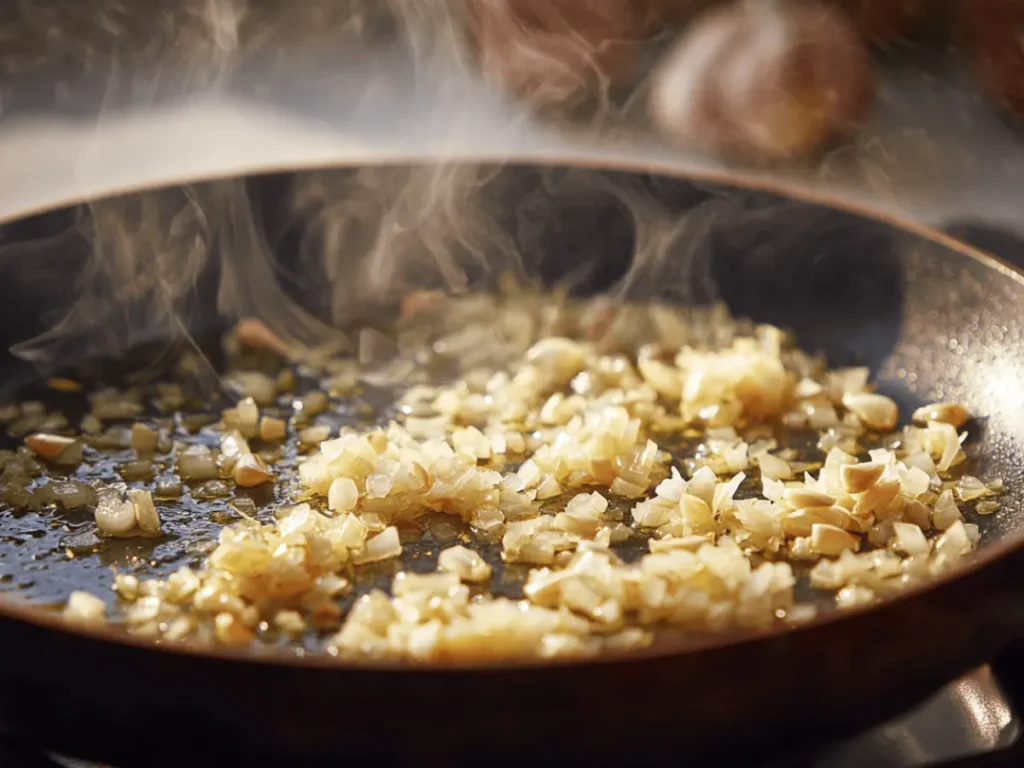
This approach builds flavor by preparing each component separately before bringing everything together at the end.
- Fill a medium pot with water and season it generously with salt. Bring it to a strong boil, then add the ditalini pasta. Stir once so the pieces stay loose. Cook for seven to nine minutes and taste near the end to make sure it keeps a gentle al dente bite.
- While the pot heats, set a roomy pan on low heat and add the olive oil. Let it warm slowly so it develops a calm, steady shimmer.
- Add the onion to the warm oil. Stir often as it softens and turns clear. This slow start builds sweetness without any rush.
- Add the garlic and stir for a brief moment. The scent will rise quickly, so remain attentive.
- Pour in the broth and raise the heat slightly. Let the liquid move in small waves for a minute. Add the peas and allow them to warm through.
- Drain the pasta and fold it into the pan. Add Parmesan, salt, and black pepper. Stir in patient circles so the cheese melts evenly.
Small pasta shapes reward this slower rhythm because each step protects their structure and keeps the dish smooth and comforting.
Variations and Flavor Twists
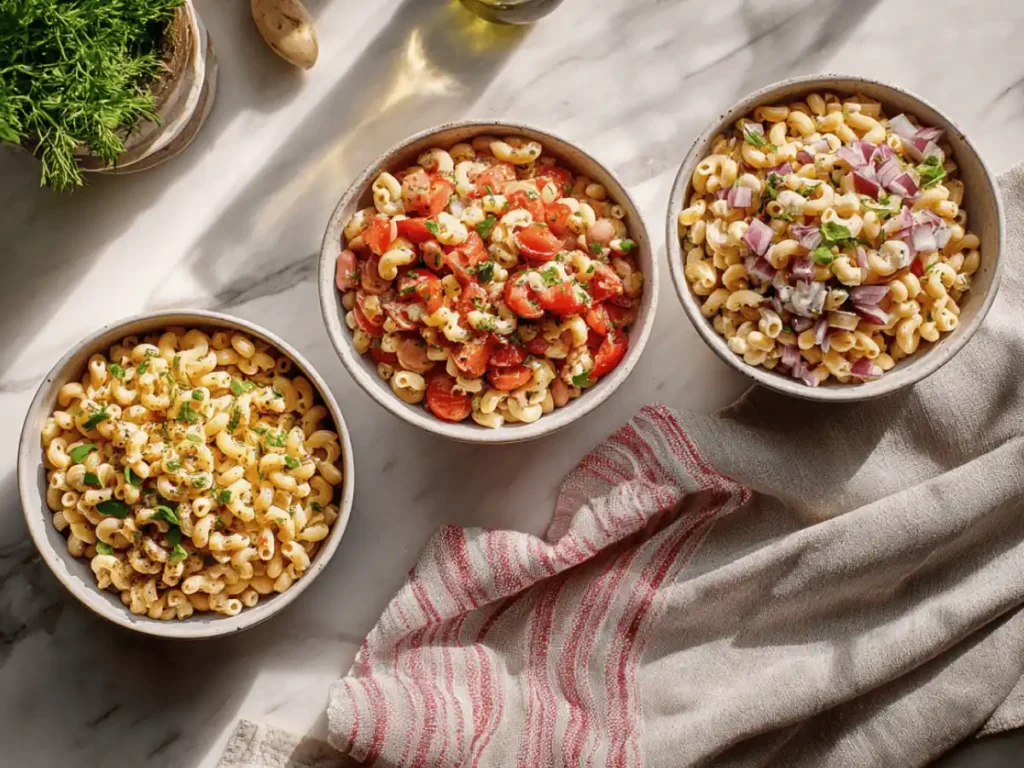
Ditalini welcomes different flavor paths because its small tubes carry sauce with surprising generosity. I return to this pasta often when I want a comforting bowl that adapts to the season or the mood of the kitchen. Its shape fits both light ideas and richer choices, which keeps the recipe flexible for anyone who enjoys Italian comfort food made with simple steps.
Classic Tomato and Bean Variation
This version echoes pasta e fagioli. Simmer cooked beans with tomatoes, add herbs, and fold in the pasta. The result feels warm and familiar.
Creamy Cajun Twist
For a bold spin, stir in a spoonful of the sauce from the flavorful dish at creamy Cajun Alfredo sauce. Its spice brings depth while the cream smooths the texture.
Mediterranean Vegetable Variation
Add roasted peppers, olives, and lemon. This bright option feels uplifting and fits warm weather meals.
Ingredient Swaps for Flavor Variations
| Variation | Main Swap | Flavor Profile |
|---|---|---|
| Tomato and Bean | Beans and tomatoes | Earthy and rustic |
| Cajun Twist | Cajun style sauce | Bold and creamy |
| Mediterranean | Peppers and olives | Bright and savory |
This flexible set of ideas keeps the recipe lively and encourages creativity with pantry friendly ingredients.
Side Dishes and Pairings
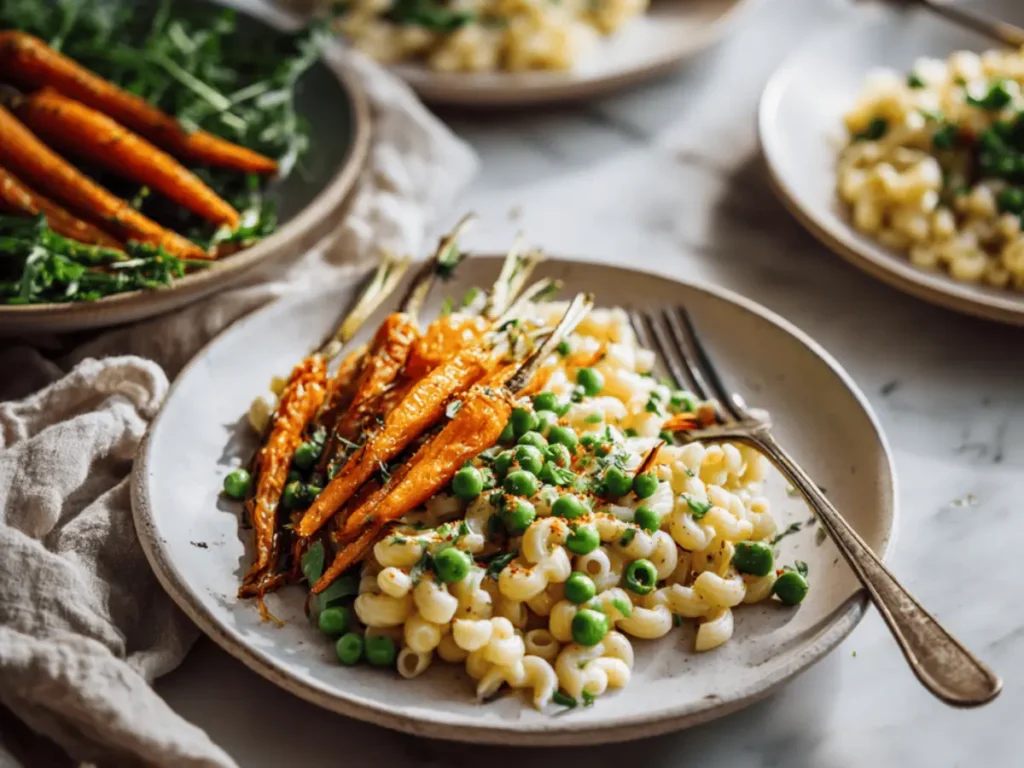
Ditalini offers a gentle texture that welcomes many side dishes, and pairing it well creates a balanced and comforting meal. I often keep classic dishes like pasta e fagioli in mind when choosing sides, because their warm and steady flavors help guide pairings that feel familiar and satisfying. This approach keeps the flavors centered and encourages a calm rhythm at the table.
Light vegetable dishes always complement this recipe. Roasted carrots or simple steamed greens add color and a tender contrast to the pasta. A crisp salad with lemon dressing also brings a bright counterpoint and keeps the meal lively. When I want something cozier, I serve this recipe beside creamy seafood dishes like the savory bowl at creamy shrimp pasta. Its richness settles beautifully next to the gentle texture of ditalini.
These pairings keep the dish flexible and help you use pantry friendly ingredients that respond well to seasonal changes.
Suggested Pairings for a Balanced Meal
| Pairing Type | Side Dish | Why It Works |
|---|---|---|
| Light | Lemon salad | Bright contrast |
| Cozy | Shrimp pasta | Rich and comforting |
| Vegetable | Roasted carrots | Sweet and simple |
These ideas make the recipe adaptable, and they encourage creativity as you build a full meal.
Nutritional Benefits
Ditalini brings a gentle balance of energy and comfort to the table because it delivers steady carbohydrates that support an active day. When you pair this pasta with vegetables, broth, and a touch of cheese, you create a bowl that feels satisfying without becoming heavy. I often use this recipe when I want Italian comfort food that still respects wellness because the portions stay calm and the ingredients remain simple.
The dish becomes even more nourishing when you add protein rich sides. Seafood works especially well because it carries minerals and healthy fats that complement the pasta. A bright plate like the one at salmon and shrimp recipe adds natural richness and helps you build a more complete meal. This balance brings flavor and nutrition together with ease.
Vegetable broth and peas contribute vitamins and fiber, which help create a steady and supportive bowl. Parmesan adds calcium and depth without overwhelming the dish. When you bring these elements together, you create a meal that offers comfort, texture, and nourishment in every spoonful.
Frequently Asked Questions (FAQ)
What is a ditalini pasta?
Ditalini pasta is a small tube shaped pasta that appears often in soups and simple bowls. It holds broth well and creates a gentle texture that feels comforting. Its size makes it easy to cook and easy to eat, which helps it blend into many family style meals.
What is the difference between ditalini and Ditalini pasta?
There is no difference between the two terms because both describe the same small tubular pasta shape. Some brands capitalize the name while others do not, but the pasta remains identical. It offers the same tender texture, short cooking time, and familiar role in many Italian comfort dishes.
What are the common mistakes when cooking ditalini?
Common mistakes include oversalting or undersalting the water, cooking the pasta too long, and leaving it to sit after draining. This shape softens quickly, so it needs steady attention. You get the best result when you taste often and mix it into warm ingredients immediately.
What is the best way to cook ditalini?
The best method starts with a generous amount of salted boiling water. Stir once, then cook until it reaches a gentle al dente bite. Drain it and move it straight into your warm sauce or broth. This simple approach preserves texture and encourages even flavor.
Conclusion
Cooking this ditalini pasta recipe always reminds me of the steady comfort that simple food can bring to a busy day. This dish proves that small pasta shapes can carry gentle flavors with surprising strength, especially when you build the bowl with care. Each step guides the ingredients toward a balanced finish, and every spoonful reflects the warmth of a relaxed kitchen.
I return to this recipe when I want Italian comfort food that feels light enough for weeknights yet satisfying enough for shared meals. I think of classic dishes like pasta e fagioli because they share the same warm simplicity and steady flavor. The pasta behaves well with vegetables, broth, or richer additions, and this flexibility allows you to adapt the dish to changing seasons or changing schedules. Its friendly nature invites creativity, and I often encourage cooks to explore new twists or favorite family flavors.
If you enjoyed the variations in this guide, try creating your own combination using whatever sits in your pantry. A few thoughtful choices can turn this simple pasta into something personal and memorable. Save the recipe, share it with friends, and return to it whenever you need a calm and comforting bowl that welcomes both tradition and imagination.
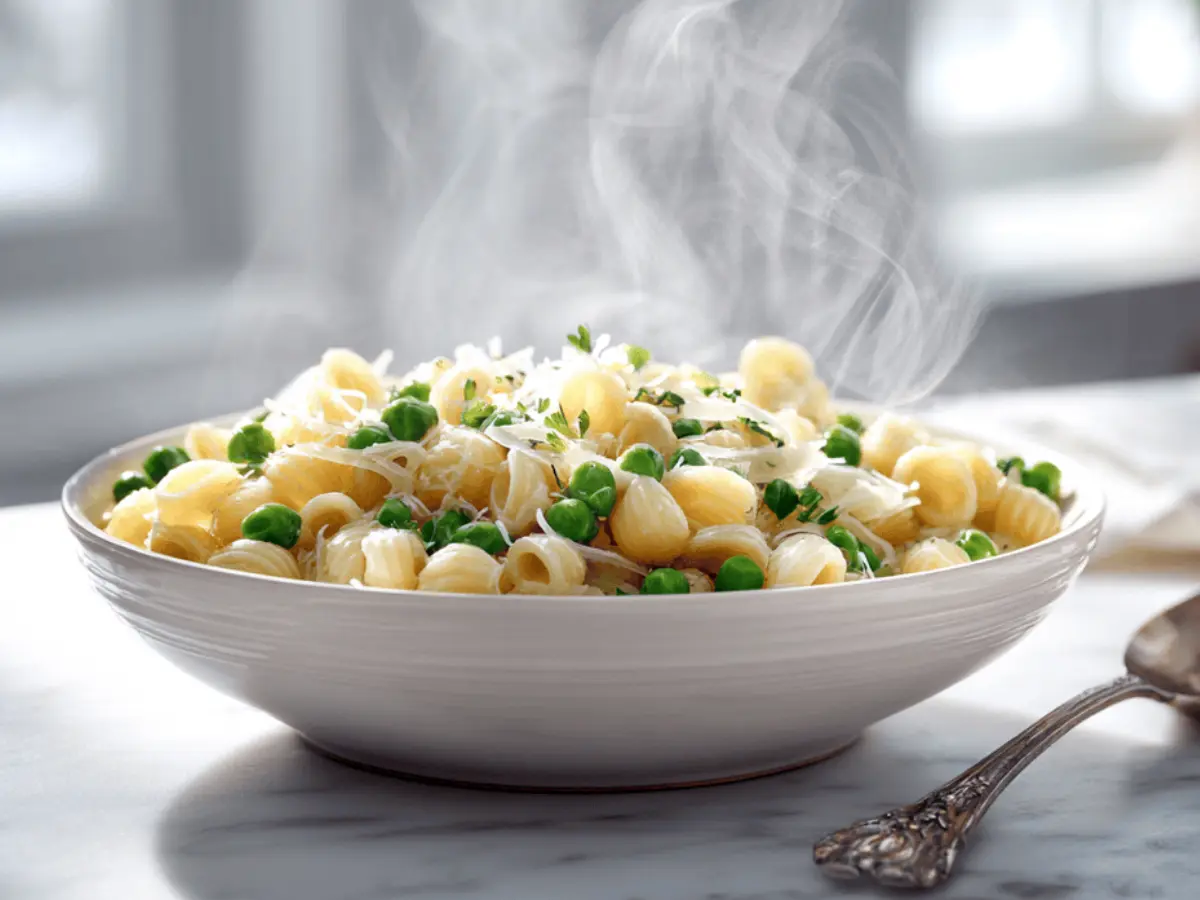
Ditalini Pasta Recipe
Ingredients
Method
- Fill a medium pot with water and season it generously with salt. Bring it to a strong boil, then add the ditalini pasta. Stir once so the pieces stay loose. Cook for seven to nine minutes and taste near the end to make sure it keeps a gentle al dente bite.
- While the pot heats, set a roomy pan on low heat and add the olive oil. Let it warm slowly so it develops a calm, steady shimmer.
- Add the onion to the warm oil. Stir often as it softens and turns clear. This slow start builds sweetness without any rush.
- Add the garlic and stir for a brief moment. The scent will rise quickly, so remain attentive.
- Pour in the broth and raise the heat slightly. Let the liquid move in small waves for a minute. Add the peas and allow them to warm through.
- Drain the pasta and fold it into the pan. Add Parmesan, salt, and black pepper. Stir in patient circles so the cheese melts evenly.