
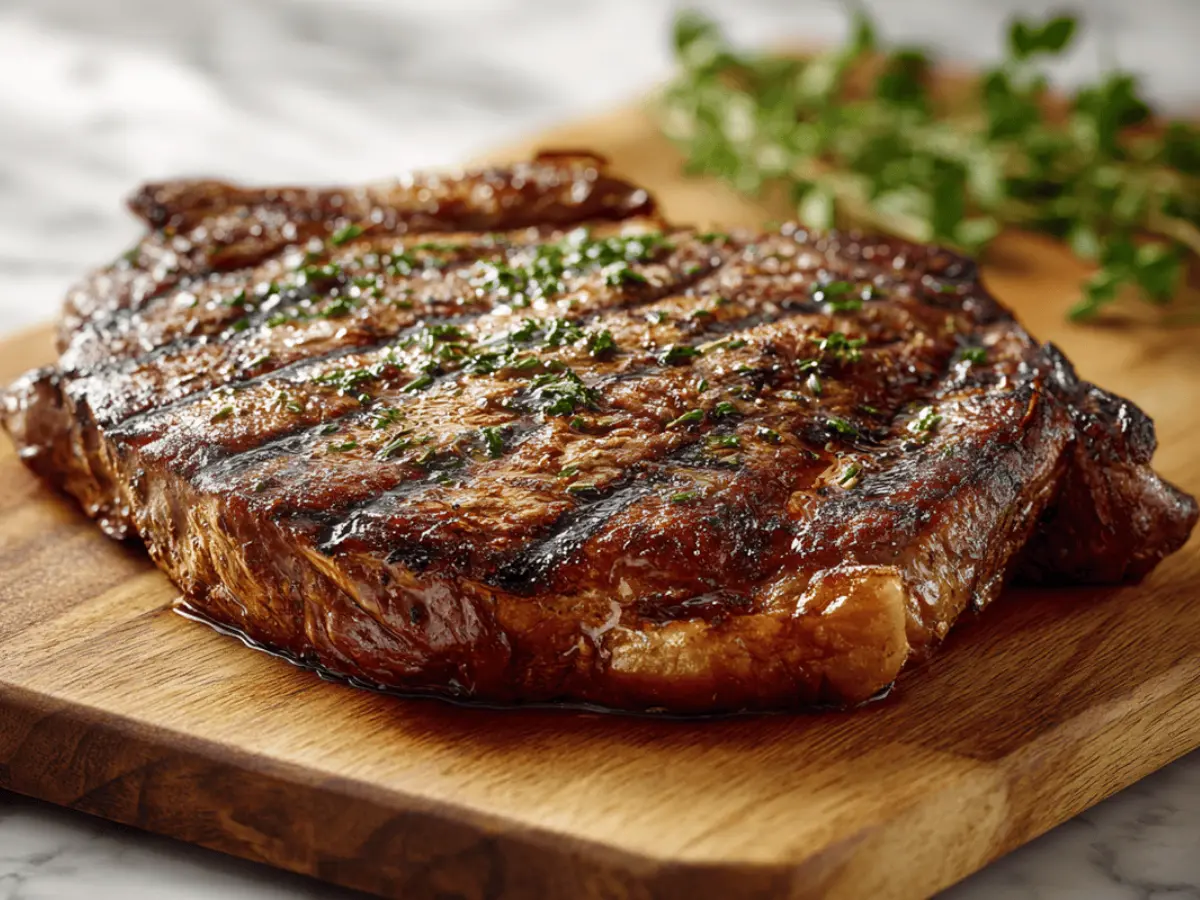
How is chuck steak best cooked has been a question in my family for as long as I can remember because we grew up around big Southern tables where every cut mattered. I learned early that a tender chuck steak needs care and intention and I still love that challenge today.
When I travel or cook for friends, I return to this cut because it rewards patience and flavor driven technique. I often reach for a cast iron chuck steak because the heavy pan encourages deep browning and steady heat. I also rely on the best way to cook chuck steak which balances a strong sear with gentle finishing heat. These methods transform this humble cut into something rich and satisfying and they show why slow cooked chuck belongs in every kitchen. Let us walk through the approach that brings out its best.
Ingredients and Substitutions
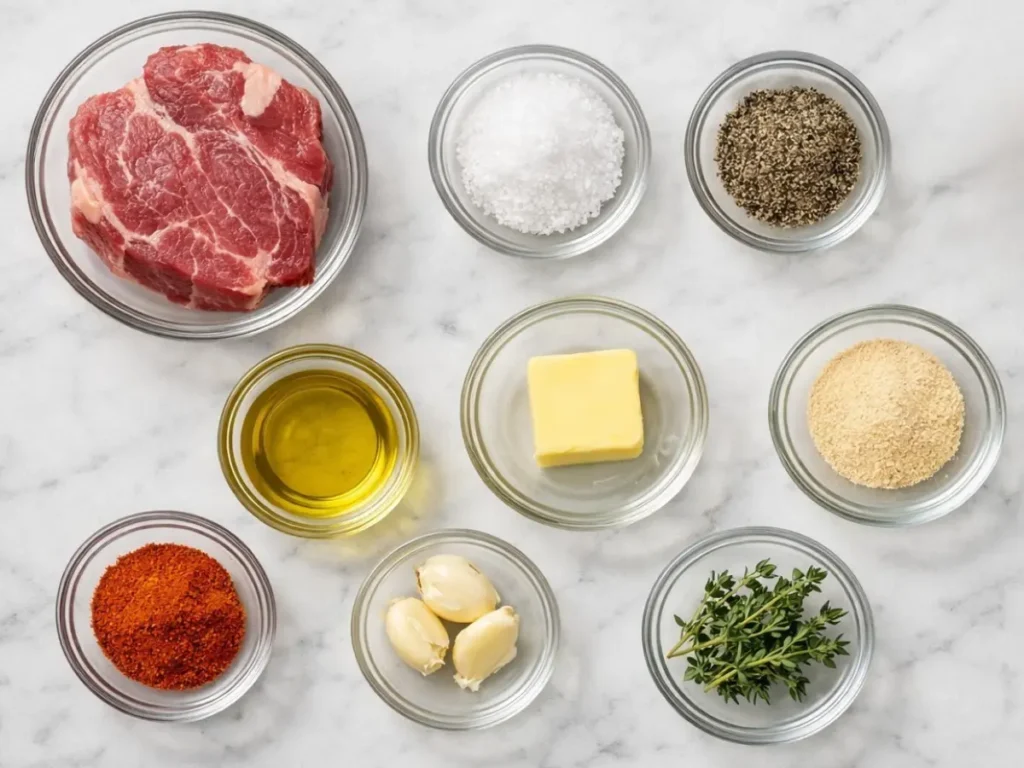
A tender chuck steak needs the right balance of seasoning and fat because this cut rewards simple choices that support deep flavor. These ingredients create a strong base and help you guide the meat toward tenderness. They also support the slow cooked chuck approach when you want extra forgiveness.
Ingredients
- 2 pounds chuck steak, room temperature
- 1 tablespoon kosher salt
- 1 teaspoon black pepper
- 1 teaspoon garlic powder
- 1 teaspoon smoked paprika
- 1 tablespoon olive oil
- 1 tablespoon butter
- 2 garlic cloves, smashed
- Fresh thyme or rosemary for aroma
These ingredients encourage browning and keep the meat juicy. Salt opens the surface and prepares it for the sear, while aromatics lift the flavor as the steak cooks.
Substitutions
- Use avocado oil in place of olive oil for higher heat.
- Replace smoked paprika with chili powder if you want more warmth.
- Choose dried herbs when fresh ones are not available.
- Add a splash of soy sauce to deepen the savory notes for a cast iron chuck steak.
These substitutions keep the recipe flexible and ensure you can still achieve a tender result even when your pantry changes.
Step by Step Instructions
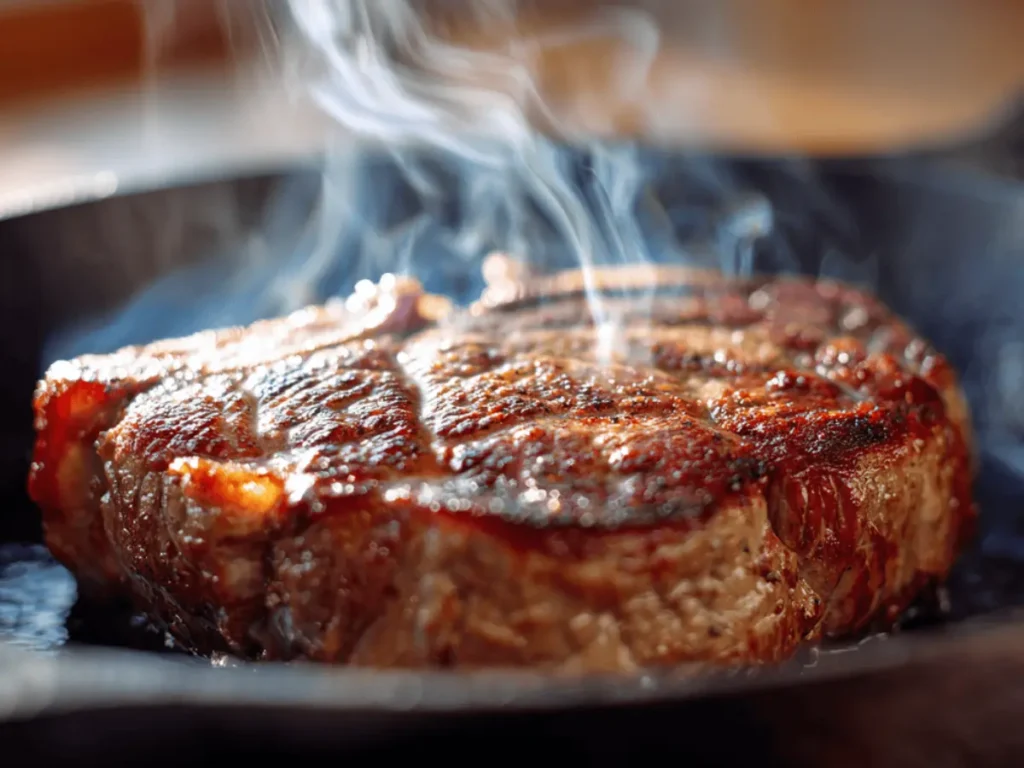
A tender chuck steak responds well to steady heat and patient technique because this approach softens the connective tissue while it builds flavor. This method also works beautifully when you want a cast iron chuck steak that tastes rich and balanced.
How Is Chuck Steak Best Cooked Instructions
- Warm your skillet over medium high heat until the surface feels hot. This step encourages a deep sear that supports a tender interior.
- Pat the steak dry and season both sides. Add olive oil to the skillet and place the steak in the center. Sear for three minutes per side until a dark crust forms.
- Lower the heat to medium. Add butter, garlic, and herbs. Spoon the melted butter over the meat for one minute to build flavor.
- Transfer the pan to a three hundred twenty five degree oven and cook for eight to twelve minutes depending on thickness. This gentle finish protects the steak from drying out.
- Remove the pan from the oven and rest the meat for ten minutes. This pause allows the juices to redistribute and supports a tender chuck steak result.
- Slice against the grain and serve immediately. This final step preserves the texture and brings out the best in every bite.
Variations and Flavor Twists
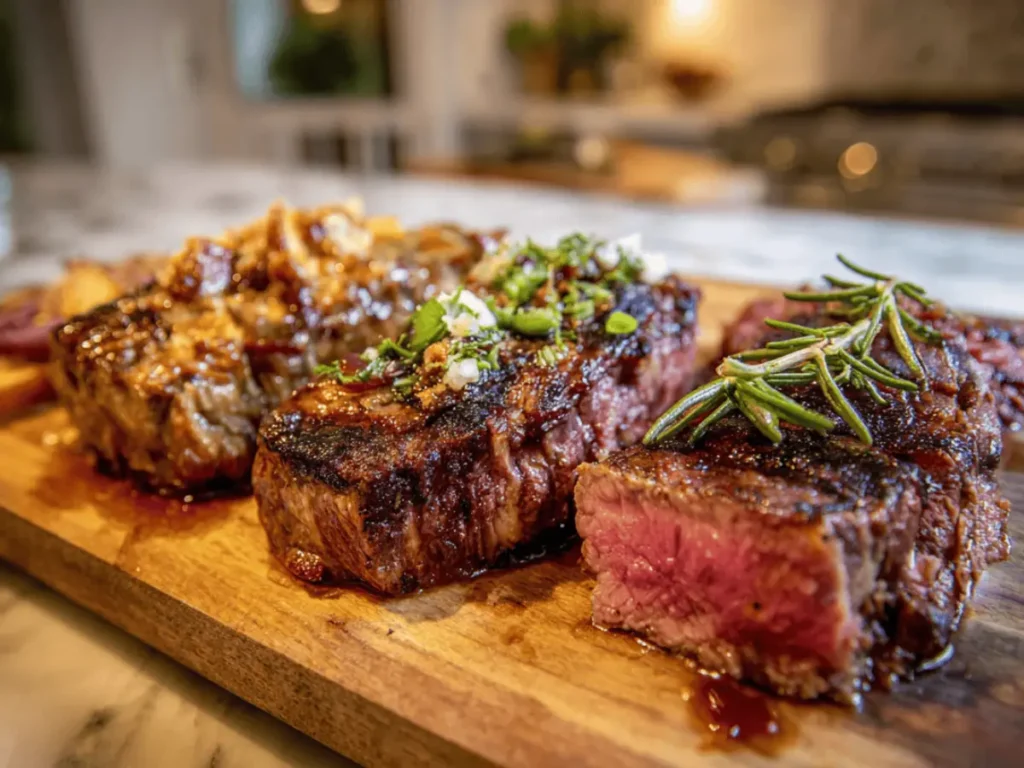
A tender chuck steak accepts many cooking paths because this cut gains strength from techniques that build slow and steady flavor. You can also shift the style depending on the season or the tools you enjoy most. These variations highlight that a cast iron chuck steak can become bold and bright while a slow cooked chuck option can turn deeper and softer.
Grilled Reverse Sear
Warm the steak over indirect heat first and finish over high heat. This method creates a firm crust without drying the meat.
Braised and Comforting
Place the steak in a warm pot with broth, aromatics, and herbs. Simmer until the meat feels soft and rich. This approach works well when you want the tenderness that comes from slow cooked chuck.
Sous Vide Precision
Cook the steak in a water bath at a steady temperature. Finish with a strong sear in a skillet to bring out aroma and texture.
You can also finish any version with a bright flavored butter. I often enjoy this Cowboy Butter Recipe because it lifts the meat with citrus and herbs.
Flavor Variation Table
| Variation | Benefit |
|---|---|
| Grill Reverse Sear | Deep crust and steady interior |
| Braised | Soft texture and comforting broth |
| Sous Vide | Exact doneness and gentle heat |
Side Dishes and Pairings
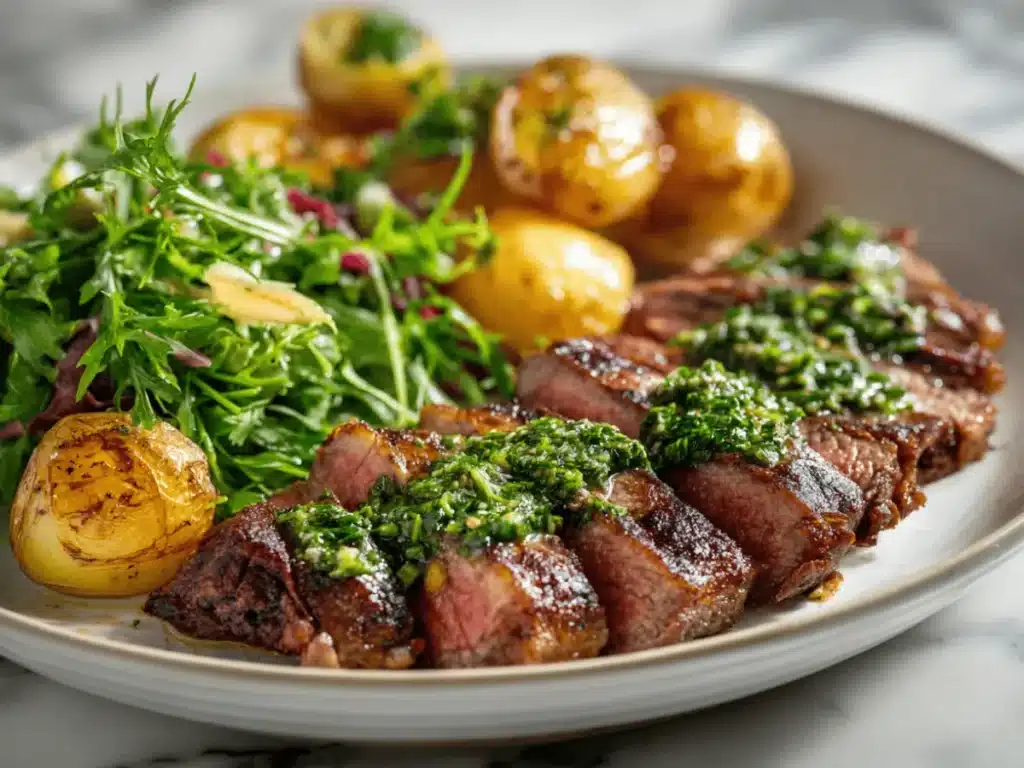
A tender chuck steak becomes even more enjoyable when you serve it with sides that balance richness and freshness. These pairings support the warm sear and gentle interior of the meat because they add contrast and depth. They also give you room to play with flavor based on the season or the mood at the table.
Bright salads bring a clean counterpoint to the steak. A simple bowl of arugula with lemon and olive oil adds welcome sharpness, while roasted vegetables offer a sweet earthy note. Potatoes remain a classic partner because they absorb the juices and provide comforting structure. You can choose creamy mashed potatoes, crisp roasted wedges, or soft baby potatoes cooked with herbs.
Grains also work beautifully. Warm quinoa or fragrant rice provides a calm background that highlights every bite of the meat. Crusty bread becomes useful when you want to catch all the savory drippings from the pan.
A bold sauce brings the plate together. I often serve the steak with this Red Chimichurri because its herbs and garlic brighten the meat and support its natural flavor. This pairing also creates a lively finish that feels satisfying and complete.
Nutritional Benefits
A well prepared chuck steak offers meaningful nutritional support because it provides complete protein, iron, and essential minerals that help the body stay energized. The cut carries a natural balance of fat and muscle which contributes both flavor and steady satiety. When you use a gentle method such as slow cooked chuck, the collagen begins to soften and release gelatin which creates a smooth mouthfeel and supports joint friendly nutrients.
Chuck steak also contains zinc which plays a role in immune function and recovery after activity. The natural iron content helps maintain healthy oxygen transport which benefits anyone who cooks active family friendly meals. This balanced nutrition makes the cut versatile for many dishes and pairings. You can see similar nutrient support in meals like this Cottage Cheese Sweet Potato Beef Bowl which combines lean beef with complex carbohydrates and fiber rich vegetables.
Nutrient Comparison Table
| Nutrient | Benefit |
|---|---|
| Protein | Supports muscle repair and fullness |
| Iron | Encourages steady energy and oxygen transport |
| Zinc | Promotes immune strength and recovery |
Frequently Asked Questions (FAQ)
What is the best method for cooking chuck beef
Chuck beef responds well to steady heat because the connective tissue softens as it cooks. You can sear it first and use a gentle finish in the oven or choose a slow simmer in broth. Both methods build flavor and support tenderness. The choice depends on the texture you want.
What is the best doneness for chuck steak
Medium or medium well doneness works best for this cut because the extra time allows the connective tissue to soften. The meat becomes comfortable to slice and chew while it stays juicy. This level also supports a strong sear and a flavorful finish which many home cooks enjoy.
How to make chuck steak not chewy
You can prevent chewiness by controlling heat and slicing the meat correctly. A steady cooking process softens the muscle fibers. Resting the steak protects the juices and cutting against the grain shortens each fiber. These steps work together to create a more tender bite and a pleasant texture.
Can you eat a chuck steak like a regular steak
Yes, you can enjoy chuck steak like a regular steak when you use the best way to cook chuck steak which balances high heat and gentle finishing time. This approach encourages tenderness and lets the meat hold its moisture. With proper seasoning and slicing, the cut becomes satisfying and flavorful.
Conclusion
A tender chuck steak rewards patience and care because this cut transforms when you combine steady heat with thoughtful seasoning. The techniques you used throughout this guide show how simple choices shape the final texture. When you choose the best way to cook chuck steak you create a balance of deep browning and gentle finishing time that protects flavor and moisture. This approach works in many kitchens because it does not require rare tools or complicated steps. It simply relies on awareness and intention.
You can return to these methods whenever you want steak that feels both comforting and full of character. The cast iron approach brings strong aroma while the slower options encourage softness and richness. Each variation teaches you something new about how the cut responds to heat and time. These lessons support your confidence and invite creativity.
As you continue to cook for family and friends you can explore new flavors and sides and discover which approach fits the moment. You can also revisit earlier sections and try new twists that highlight seasonal herbs or bold sauces. Enjoy the process and share your results because every meal gives you another chance to learn and enjoy this deeply satisfying cut.
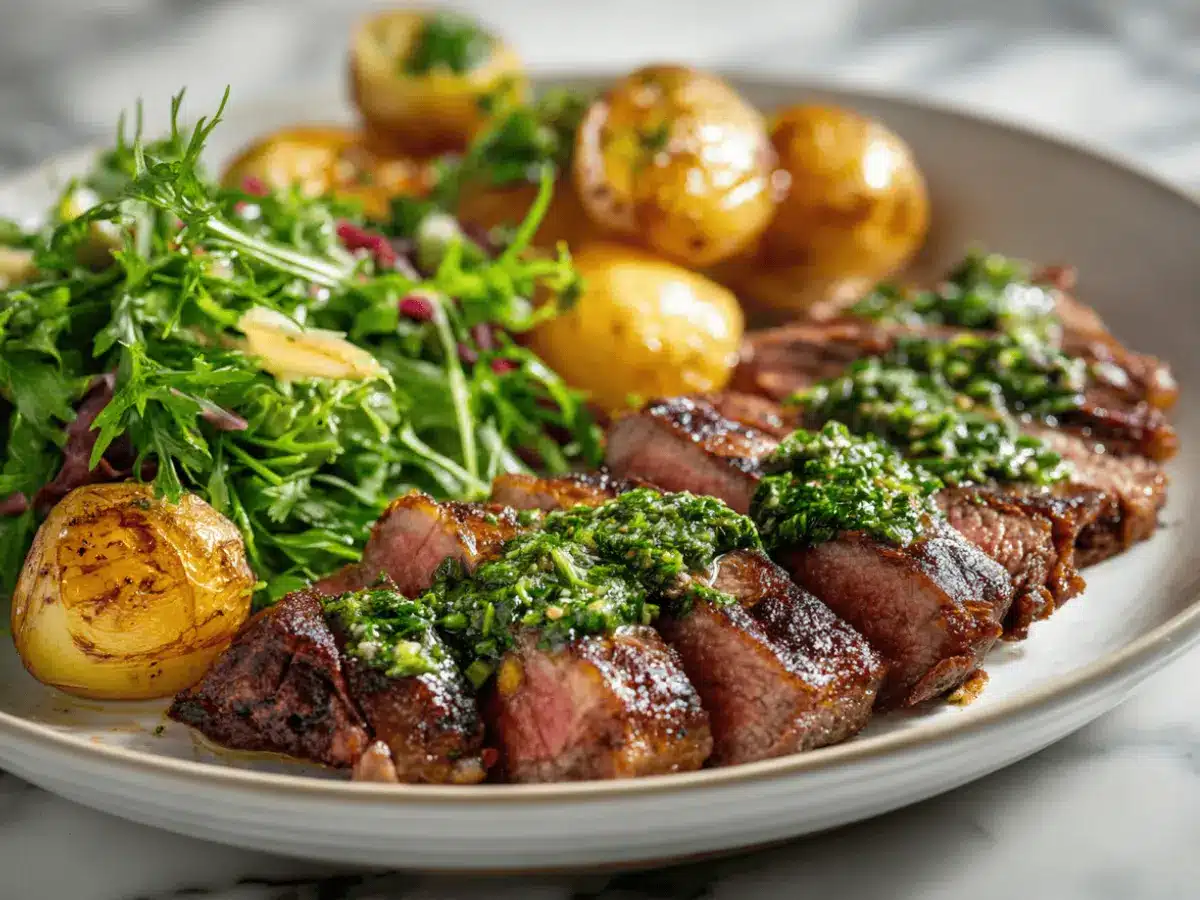
How Is Chuck Steak Best Cooked
Ingredients
Method
- Warm your skillet over medium high heat until hot.
- Pat the chuck steak dry and season both sides. Add olive oil to the skillet and place the steak in the center. Sear for three minutes per side.
- Lower the heat to medium. Add butter, garlic, and herbs. Spoon the melted butter over the meat for one minute.
- Transfer the skillet to a three hundred twenty five degree oven and cook for eight to twelve minutes.
- Remove the steak from the oven and rest for ten minutes to allow the juices to settle.
- Slice against the grain and serve immediately.